At first glance, a hat can seem like a simple product. Six panels, a brim, some stitching, and maybe an embroidered logo. It’s something many of us wear daily without thinking too much about how it came to be.
But behind every well-made hat is a process that involves careful design, multiple stages of production, and the work of many skilled hands. When materials are sourced responsibly and craftsmanship is prioritized, that process becomes even more intentional.
So what actually goes into making a hat?
It Starts With Thoughtful Design
Every hat begins with a series of design decisions. Before any fabric is cut, we think through details like:
Should the hat be structured or unstructured?
How many panels will shape the crown?
What type of closure will be used?
What materials are best suited for durability and comfort?
These choices may seem small, but they influence how the hat fits, how long it lasts, and how often someone chooses to wear it.
Design is where the foundation of the product is set.
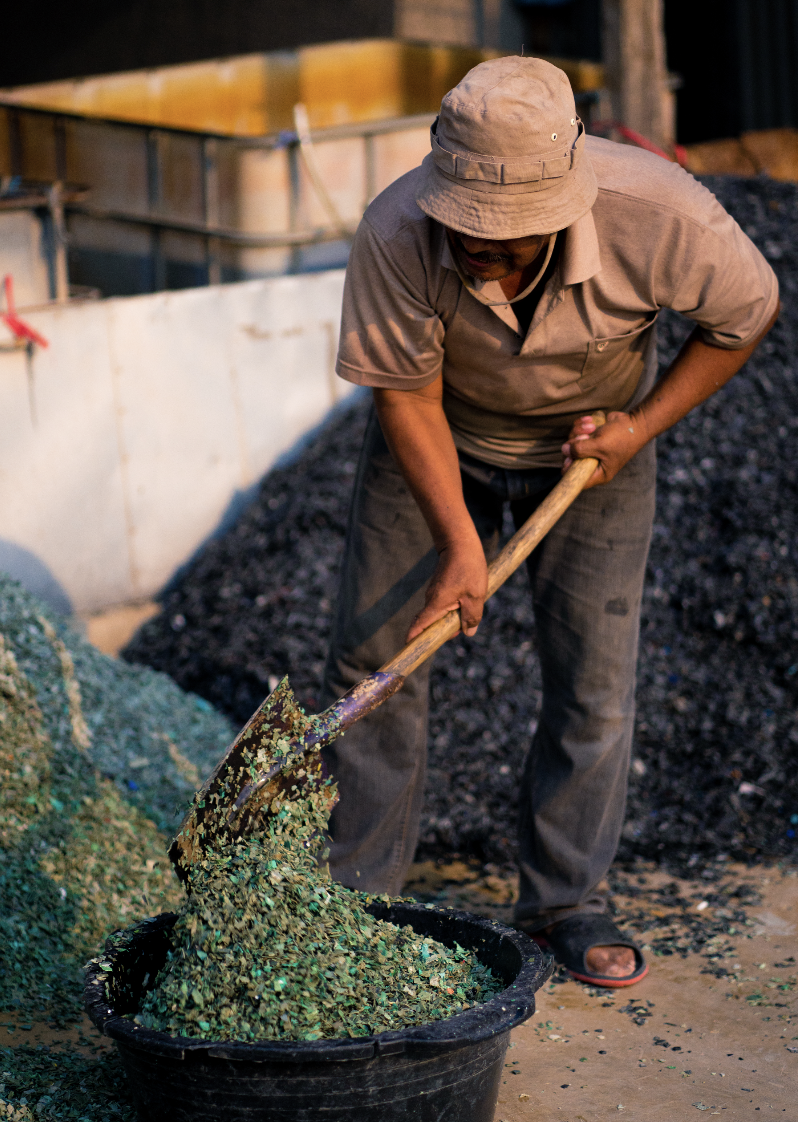
First Process: Working with recycled materials
Working With Recycled and Upcycled Materials
Once the design is finalized, the next step is preparing the materials. Many of the components used in our hats come from recycled or upcycled sources across Indonesia, helping transform existing materials into something useful again.
Brims Made From Recycled Plastic
The brim or visor helps a hat keep its shape. For this component, we use recycled HDPE plastic sourced from discarded plastic buckets collected by local waste pickers in Bandung.
The buckets are shredded, washed, and melted before being remolded into durable brim inserts. This process diverts plastic waste from landfills while reducing the need for virgin petroleum-based plastics.
Panels Made From Upcycled Cotton Twill
The visible fabric panels of the hat often come from upcycled cotton twill.
These fabrics originate as leftover and deadstock textiles from curtain and textile manufacturers in Java. Instead of allowing these materials to go unused, we repurpose them into new products without requiring additional raw resources.
By working with existing fabrics, we help minimize textile waste while conserving the water and energy required to produce new materials.
Buttons Made From Recycled Aluminum
Even the smallest components have a story.
The top button of the hat is made from recycled aluminum soda cans collected by waste pickers in Bandung. After being cleaned and flattened, the aluminum is punched into buttons before being attached during assembly.
Leather From Local Upcycling
Some hats also incorporate upcycled leather scraps sourced from the shoe industry in Cibaduyut, an area known for its long history of footwear craftsmanship.
These leather offcuts are often too small to be used in shoes but still high quality. Repurposing them into hat components allows the material to be used rather than discarded.
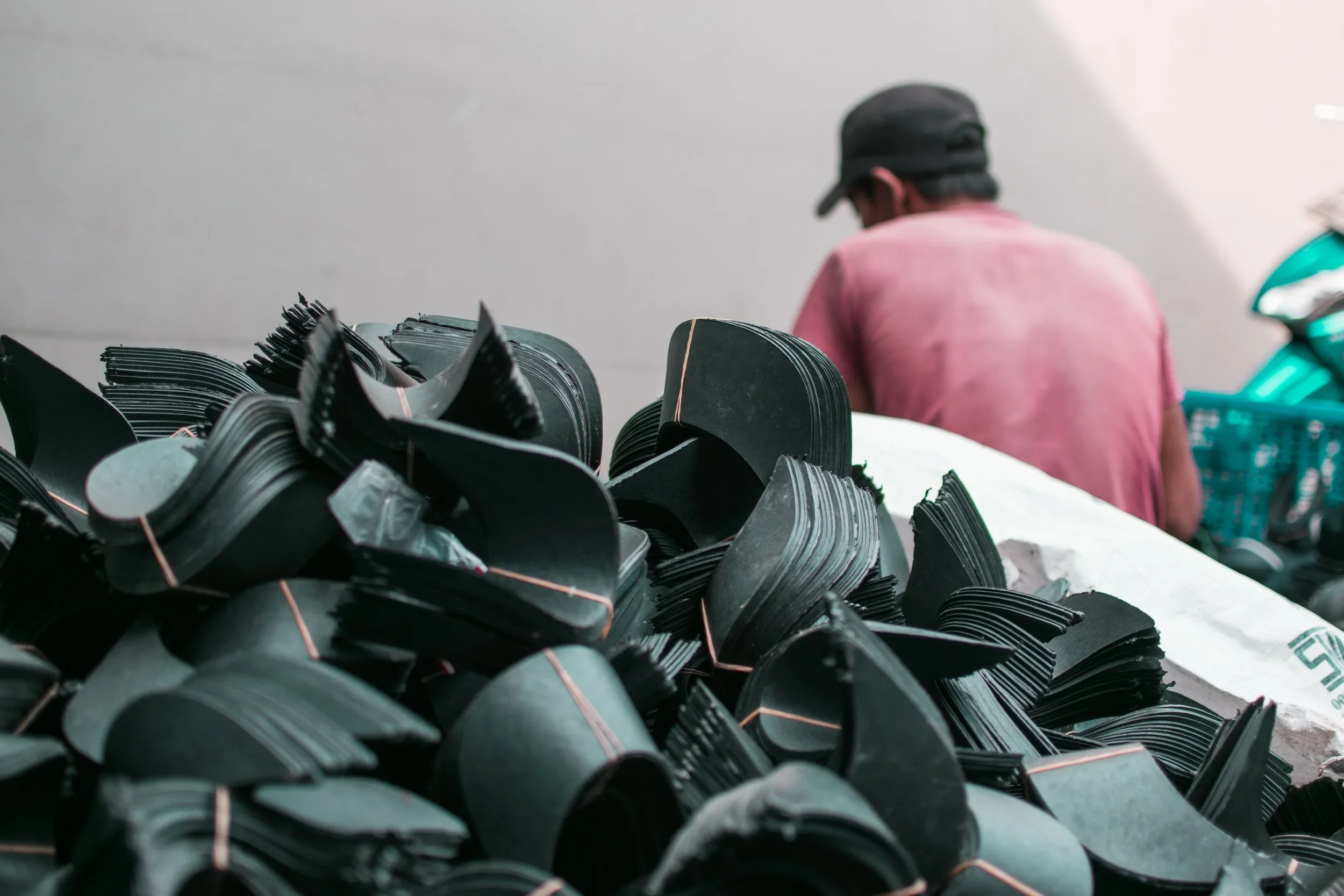
Topiku Panels Creation
Bringing the Hat to Life
After the materials are prepared, the hat begins to take shape.
Fabric panels are carefully cut and stitched together to form the crown. The brim is attached, sweatbands are installed for comfort, and closures are added to ensure adjustability.
If the design includes branding, embroidery is completed before final assembly so the stitching integrates seamlessly with the fabric.
Each step builds on the previous one, slowly transforming individual materials into a finished product.
Why Good Hats Take Time
When you break the process down, a hat moves through many stages before it ever reaches someone’s hands.
Thoughtful design, responsible material sourcing, careful stitching, and quality checks all take time. But these steps are what make the difference between something disposable and something people wear for years.
A well-made hat isn’t just assembled. It’s built with intention.
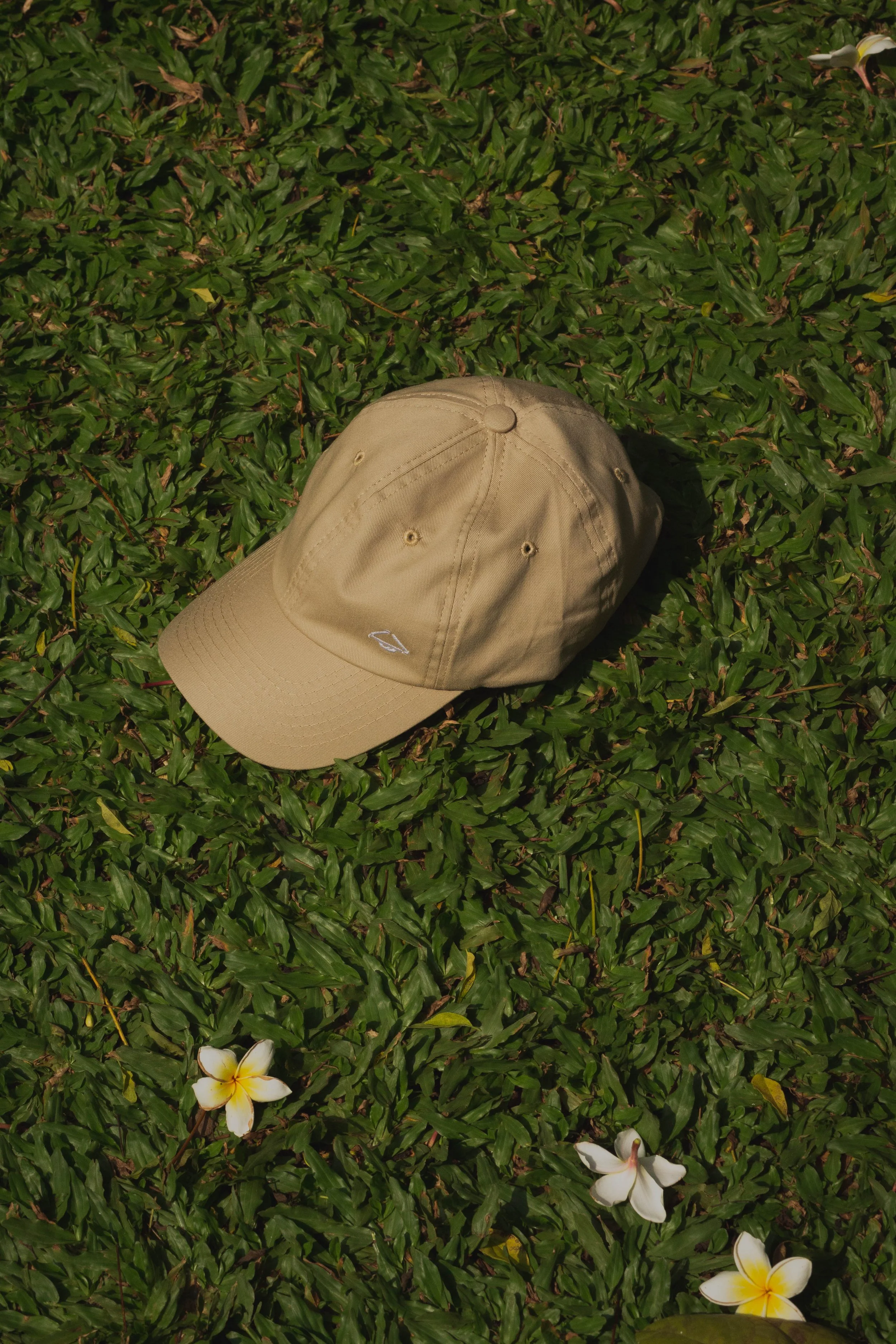
Topiku Final Hat
From Waste to Wearable: A Hat in 7 Stages
To summarize, here’s how a responsible hat typically comes together:
Material Collection: Recycled plastics, aluminum cans, and textile offcuts are gathered locally.
Material Processing: Plastics are remolded, metals reshaped, and fabrics prepared for production.
Fabric & Component Preparation: Panels, brims, and trims are cut to precise shapes.
Embroidery & Decoration: Logos and design elements are applied.
Sewing & Assembly: Skilled makers stitch the panels, brim, and closure together.
Shaping & Finishing: Hats are formed and structured for a consistent fit.
Quality Checks: Every hat is inspected before it leaves the workshop.
From the outside, a hat may still look simple. But behind it is a process shaped by materials, people, and thoughtful decisions, each one contributing to something designed to be worn again and again.