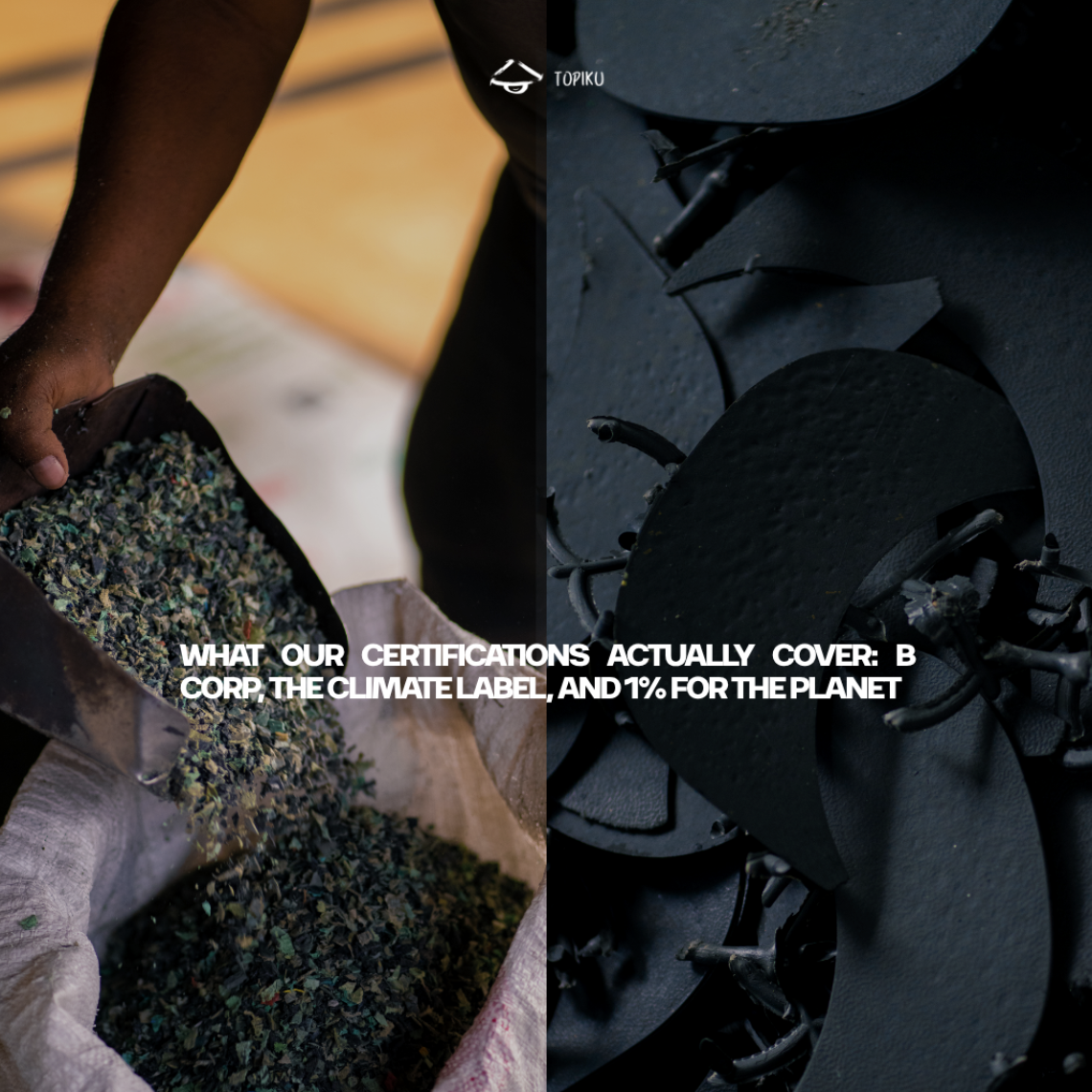
What Our Certifications Actually Cover: B Corp, The Climate Label, and 1% for the Planet
Most sustainability claims on a merch supplier's website are written by the supplier. Our certifications are not, but they do not all cover the same thing. Here is a plain breakdown of what B Corp, The Climate Label, and 1% for the Planet each verify, and what none of them answers.
Why Topiku Supports Adventure Scientists Through the Changemakers Program
Gregg Treinish founded Adventure Scientists in 2011 since then, their volunteers have helped discover more than three dozen new species and built what was at the time the world's largest microplastics dataset. Topiku supplies hats for their fieldwork through the Changemakers Program. Here is why.
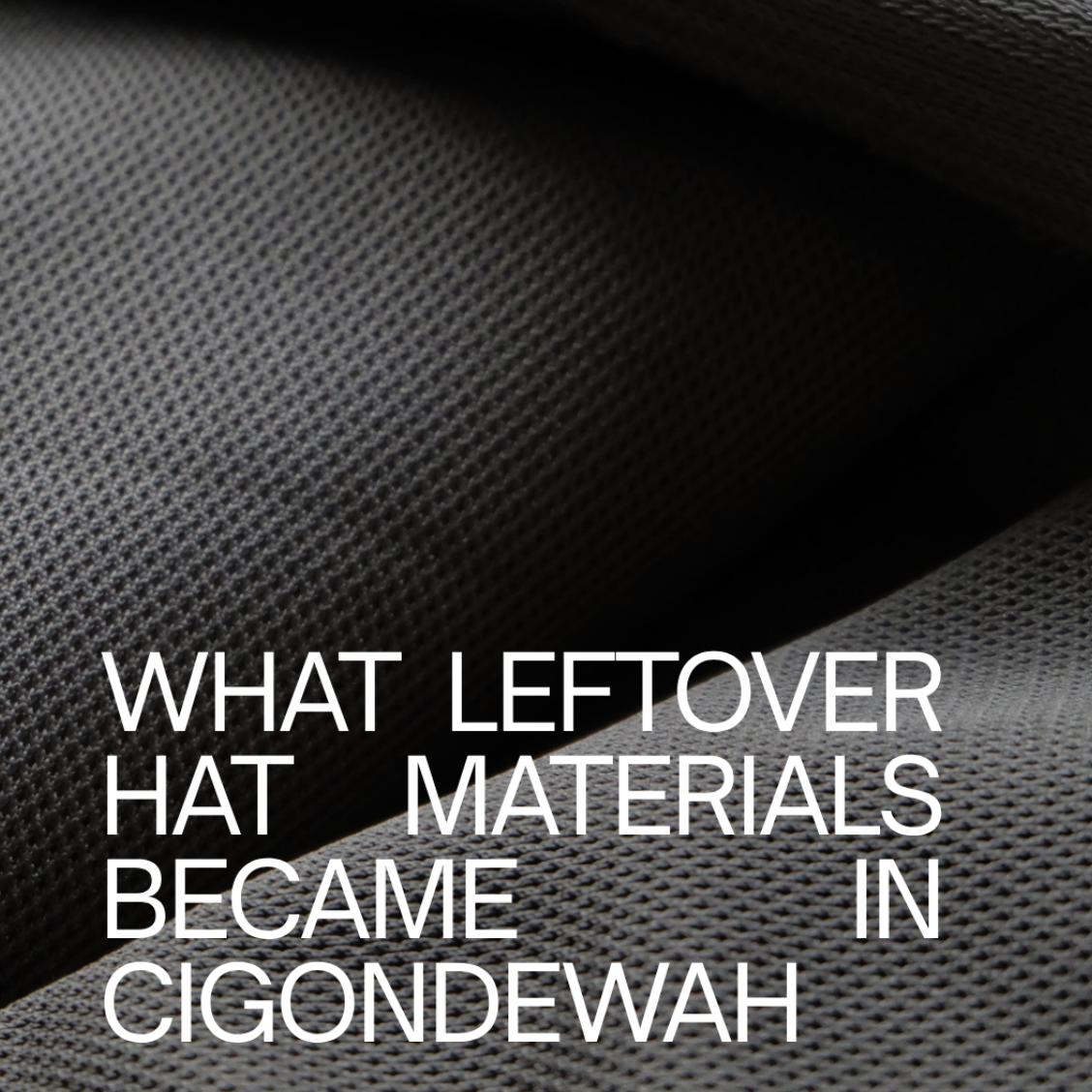
A Different District: What Leftover Hat Materials Became in Cigondewah
Cigondewah is not one workshop. It is a craft village organised by specialty, a street for hats, a street for bags, others beyond that. We have worked in the hat district since 2015. In June 2026, Esduabelas introduced us to the next one over, Monty walked across to meet the owner, and one sample came out of it. Here is what we found.

Sustainable Merch Designed to Be Worn: Why Durable Is an Impact Strategy
In 2022 we published a life cycle assessment for a Topiku hat. One conclusion it reinforced: the environmental cost of making a hat is mostly fixed before it is ever worn. What happens after determines whether that cost was worth it. Here is how we design for the three-year version
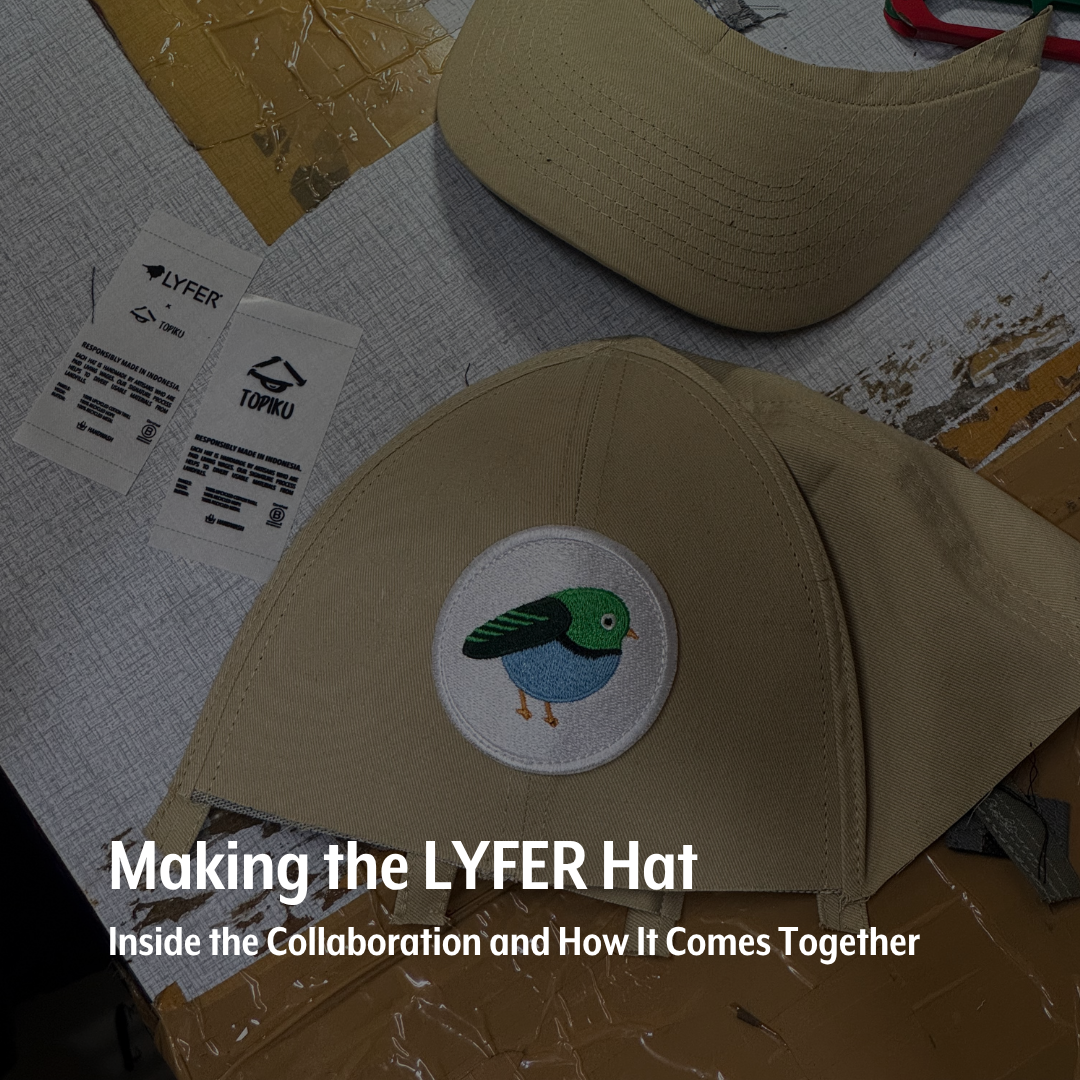
Making the LYFER Hat: Inside the Collaboration and How It Comes Together
LYFER is an Australian brand built around birding as a lifestyle. When they needed headwear for their collection, they looked for a maker whose standards matched their own. We made their caps and bucket hats in Desa Rahayu, Bandung, and filmed the assembly while we were at it.
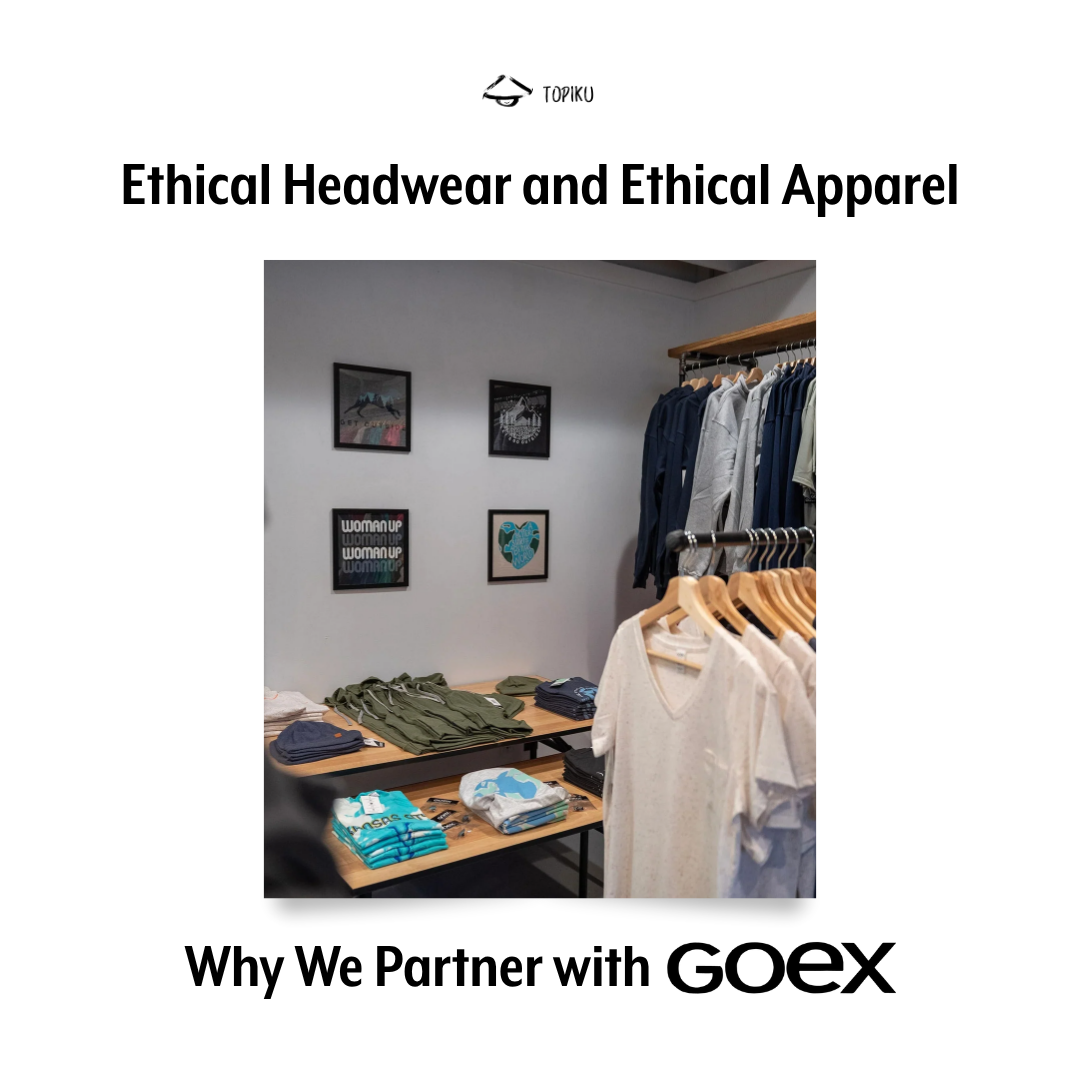
Ethical Headwear and Ethical Apparel: Why We Partner with GOEX
GOEX makes Fair Trade apparel in Kansas City and Haiti. We make hats in Bandung since 2015. When their US clients need hats, they send them to us. Here is how that referral works and why it makes sense.
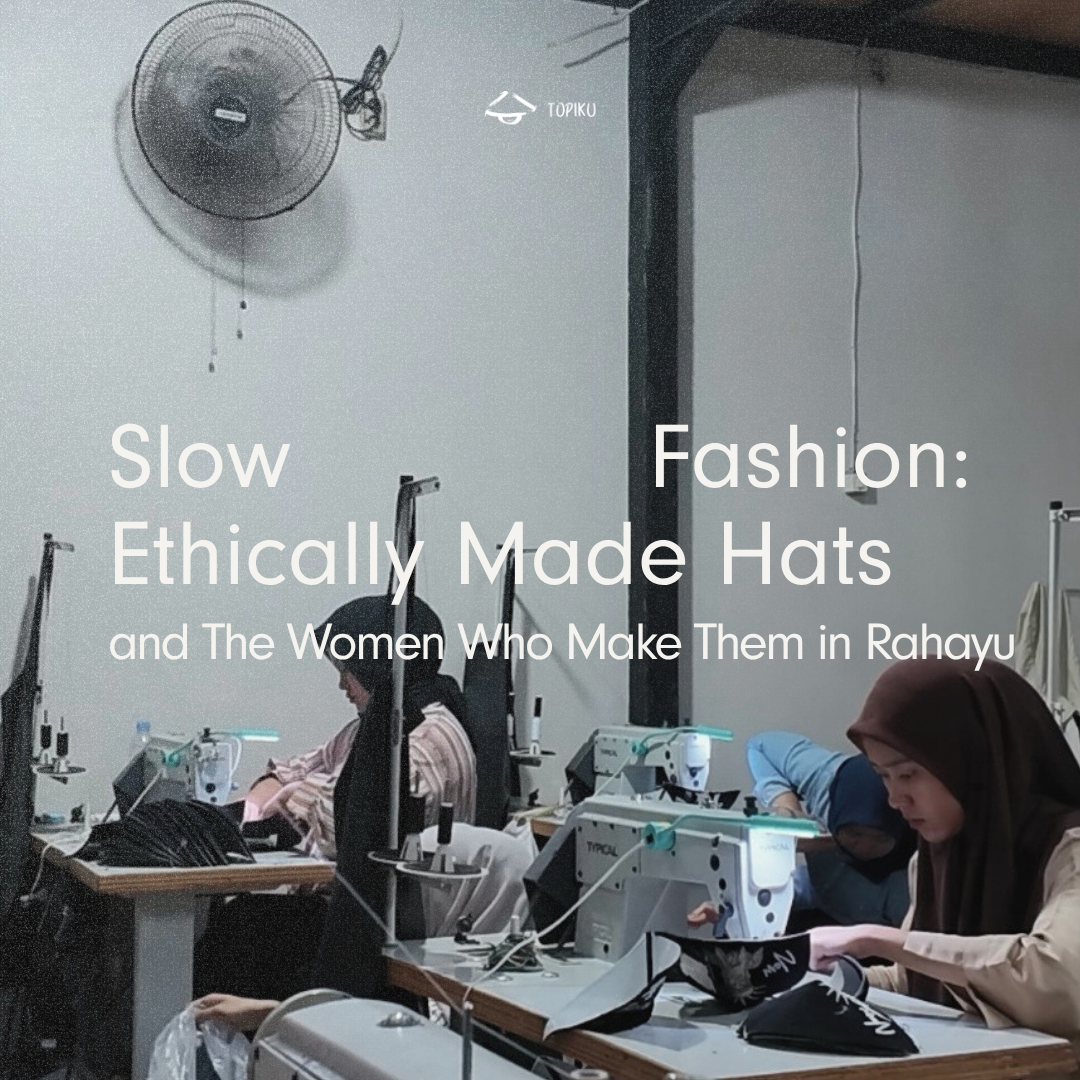
Slow Fashion: Ethically Made Hats and The Women Who Make Them in Rahayu
Tipa has been part of the artisan team that makes our hats for five years. Ayu for three. When we visited the workshop in Desa Rahayu in July 2026, they told us the same thing: nobody pushes them to work fast. Here is what that looks like from the inside, and why the team is built the way it is.
Why We Don't Believe in Fast Merch
Most branded merchandise is made to be forgotten, ordered in bulk, handed out once, and quietly headed for landfill. At Topiku, we made a deliberate choice not to make that hat. Here's what that decision actually costs us, and why we think it's the only one worth making.
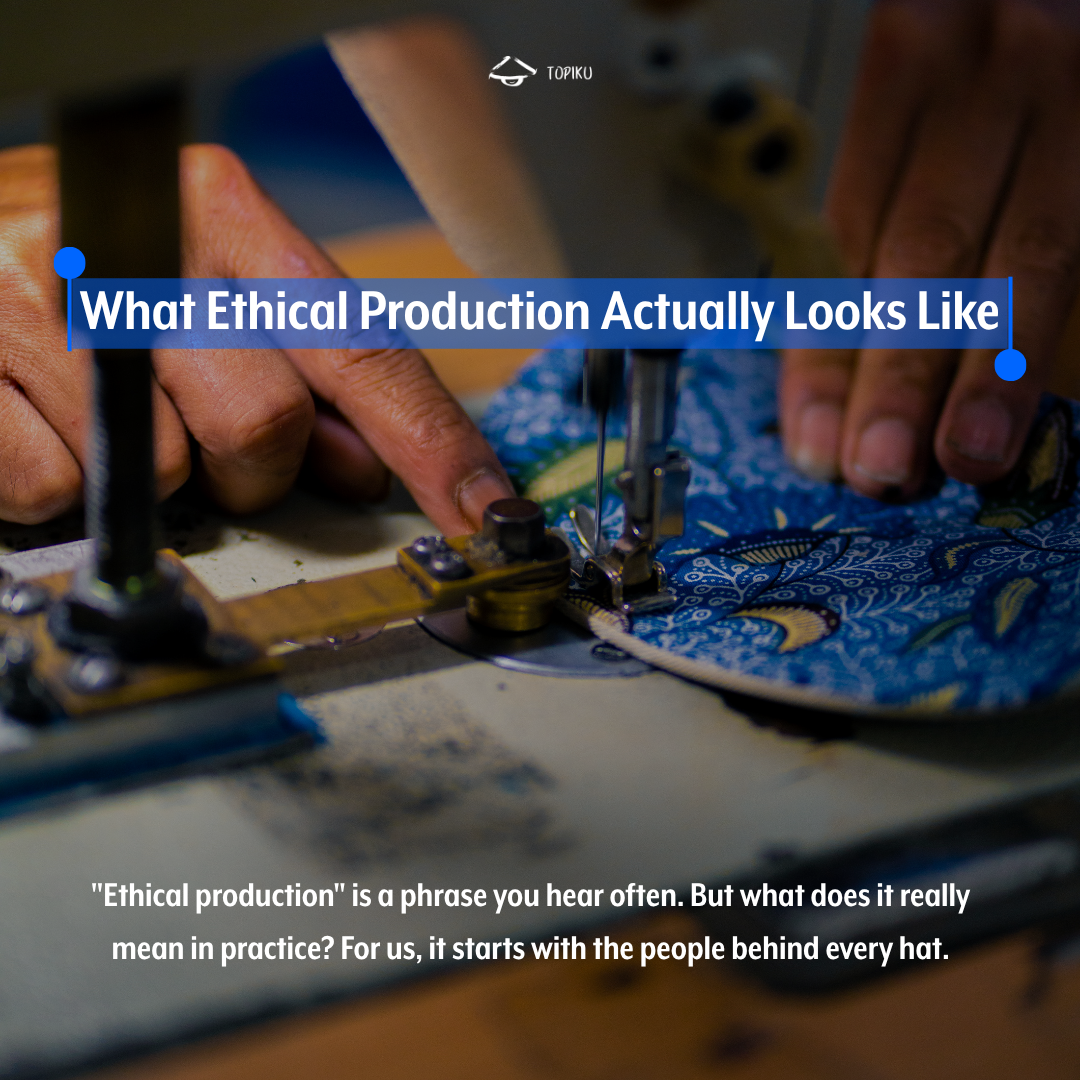
What Ethical Production Actually Looks Like Day to Day
"Ethical production" is easy to put on a website. It's harder to explain what it actually means hour to hour, in a real workshop. Here's what that looks like for us in Cigondewah; wages, working conditions, and how we handle problems without pushing artisans to work faster.
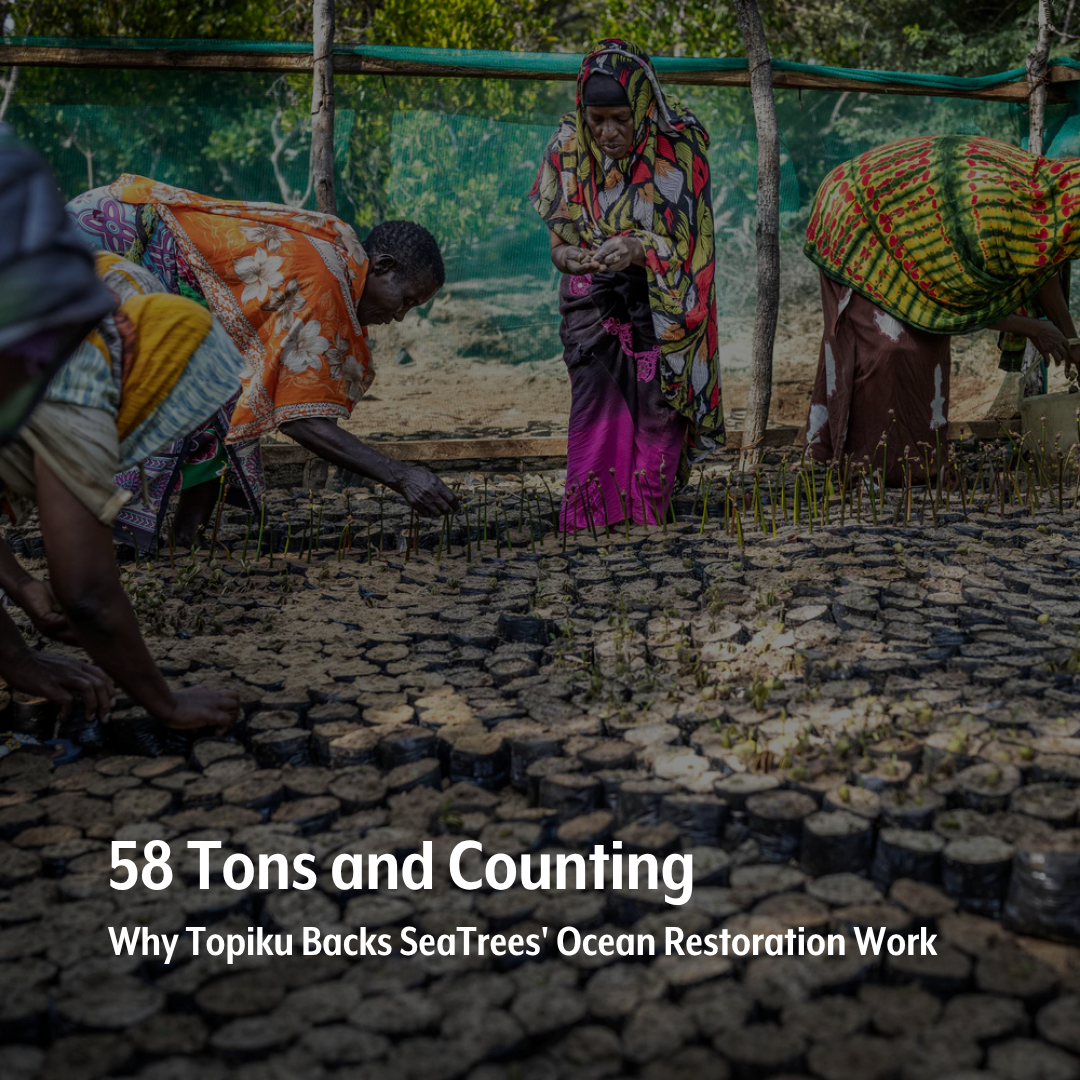
58 Tons and Counting: Why Topiku Backs SeaTrees' Ocean Restoration Work
Topiku has purchased 58 tons of Verra-certified carbon credits through SeaTrees which also means 58 mangrove trees now growing in Kenya on our behalf. Here's what that number actually represents, and why we chose ocean restoration as part of how we offset our footprint.
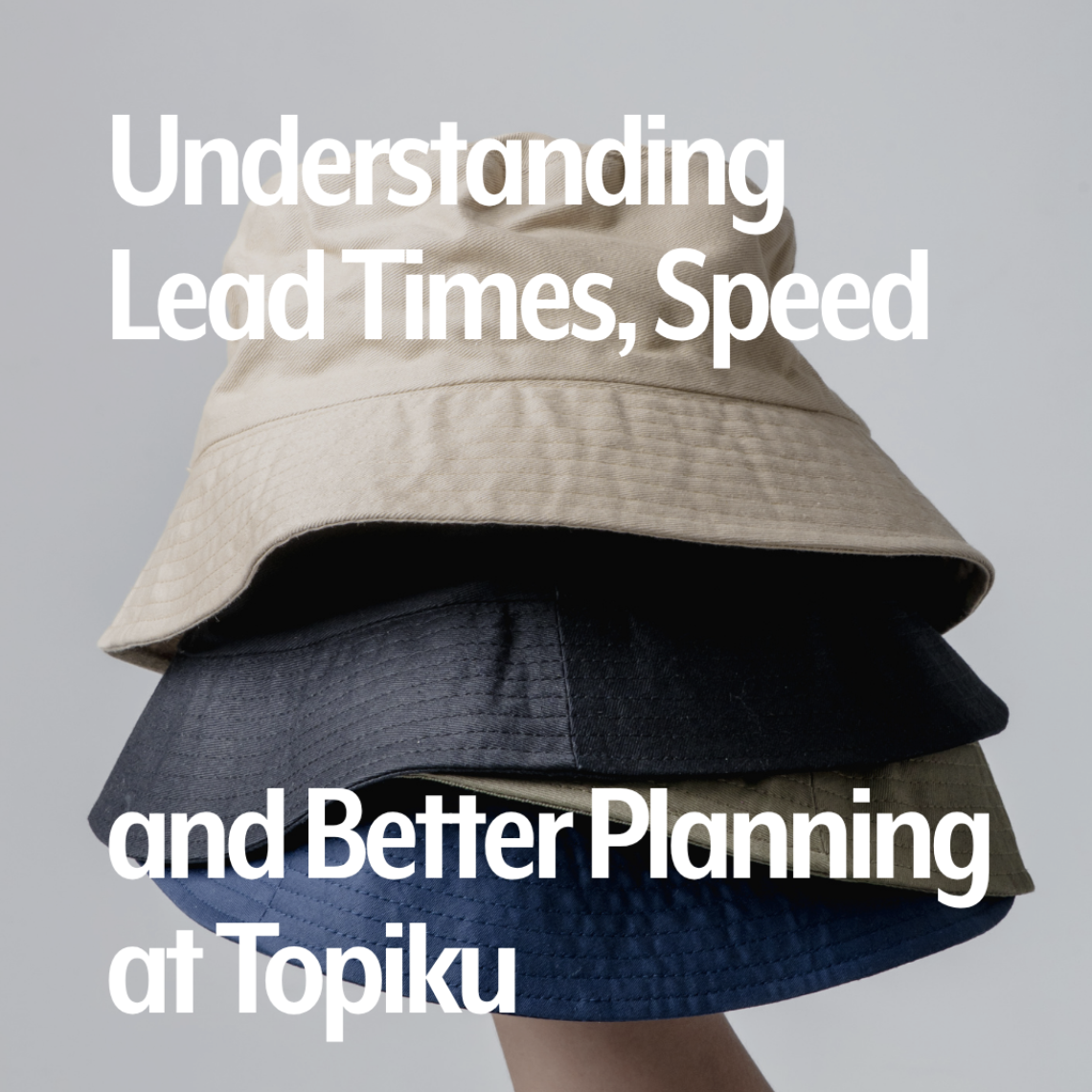
Understanding Lead Times, Speed, and Better Planning at Topiku
The most common question we get from new clients is "how long does this take?" The honest answer depends on what you're making, how you want it shipped, and how early you reach out. Here's a straight breakdown of our three programs and the one planning mistake that turns a smooth order into a stressful one.
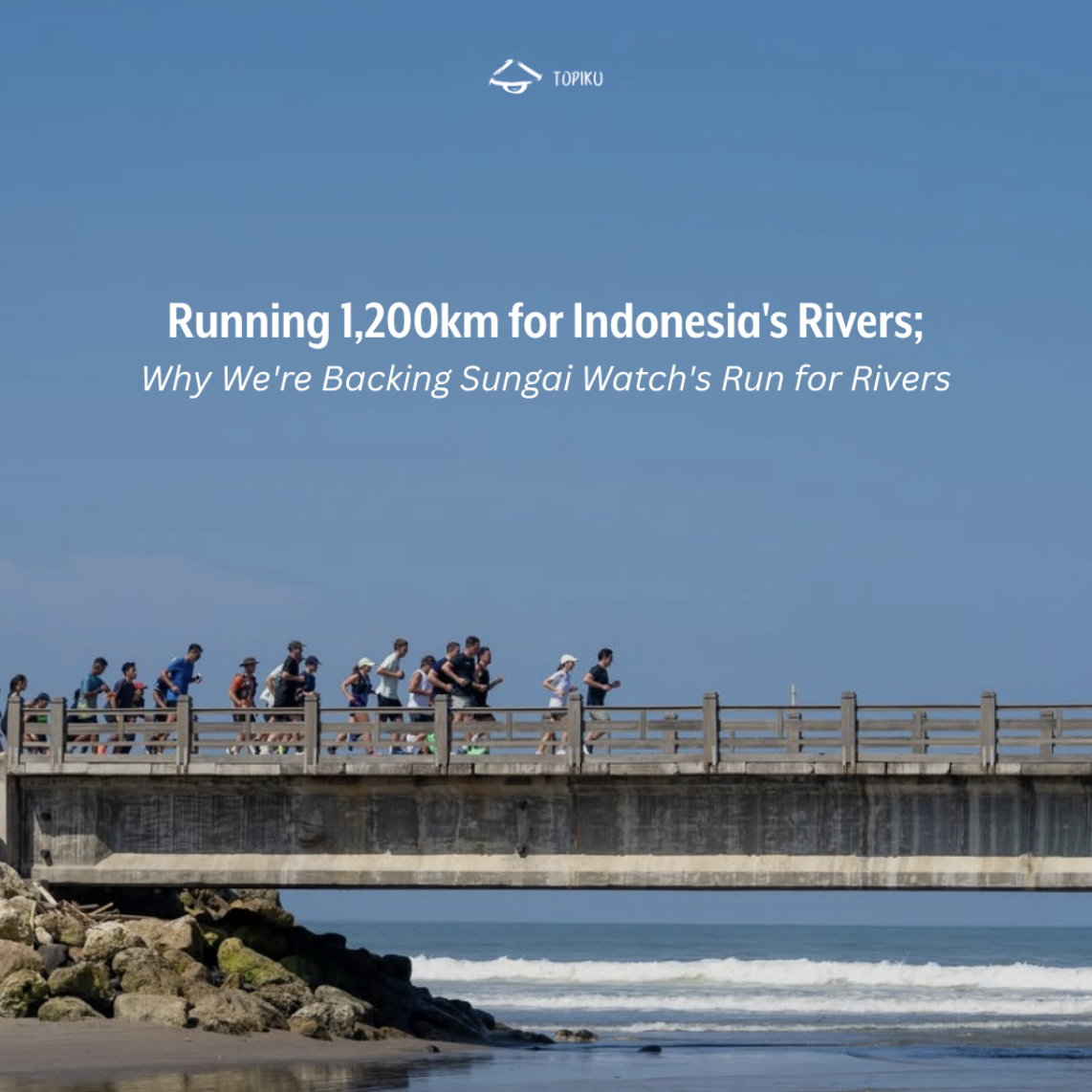
Running 1,200km for Indonesia's Rivers; Why We're Backing Sungai Watch's Run for Rivers
Sungai Watch's co-founders Gary, Kelly, and Sam are running from Bali to Jakarta, 1,200km in 58 days to raise $1 million for river cleanup. Every dollar removes one kilogram of plastic before it reaches the ocean. Here's why we're backing them, and why this campaign deserves your attention right now.
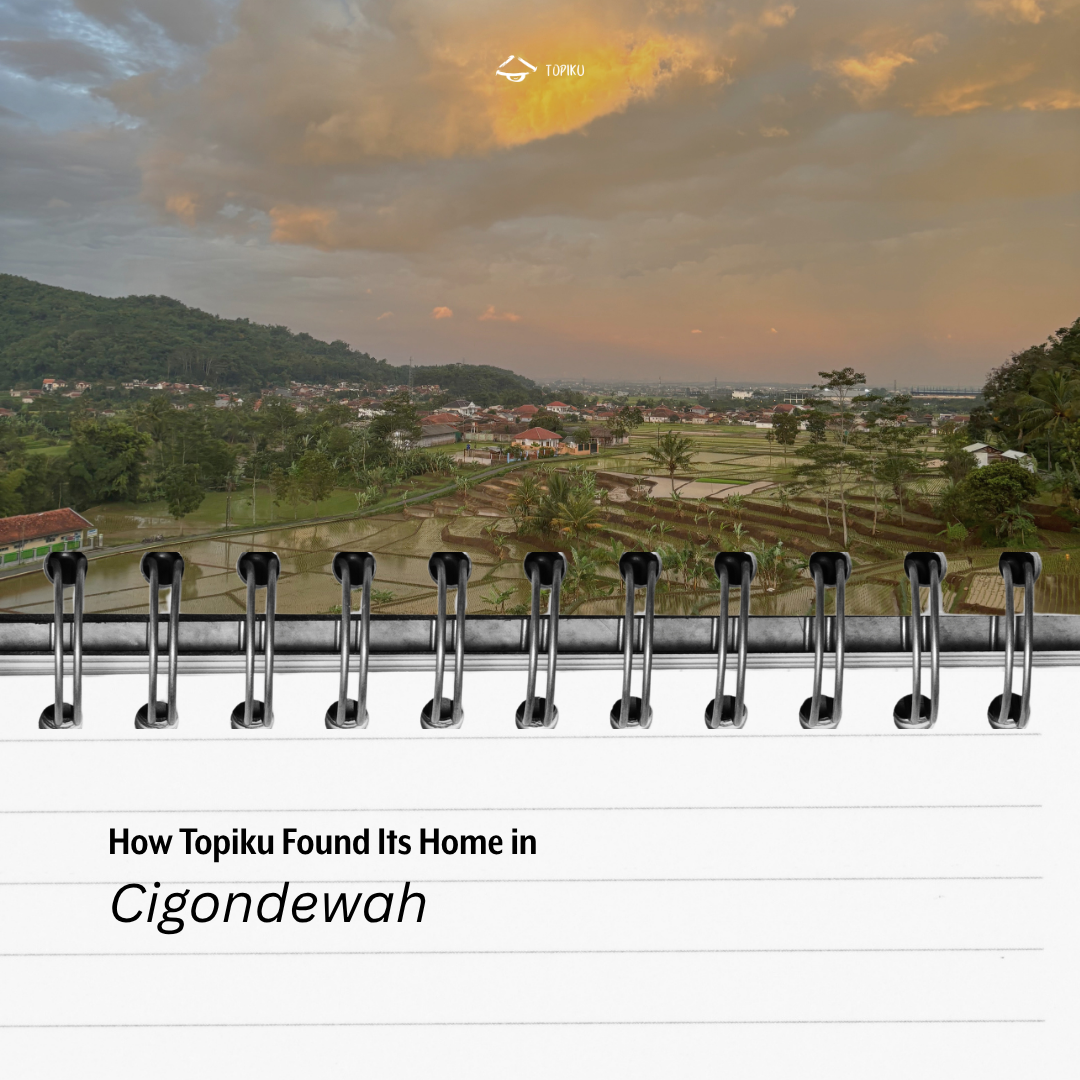
How Topiku Found Its Home in Cigondewah
Before Topiku had hats, it had a rainstorm and a stranger who made room. Our founder Monty was lost in Cigondewah, one of Bandung's oldest textile villages when the rain hit. He ducked into the nearest doorway. It belonged to Kang Asep, a hat workshop owner who offered shelter without being asked. They started talking. More than a decade later, we're still making every hat together.
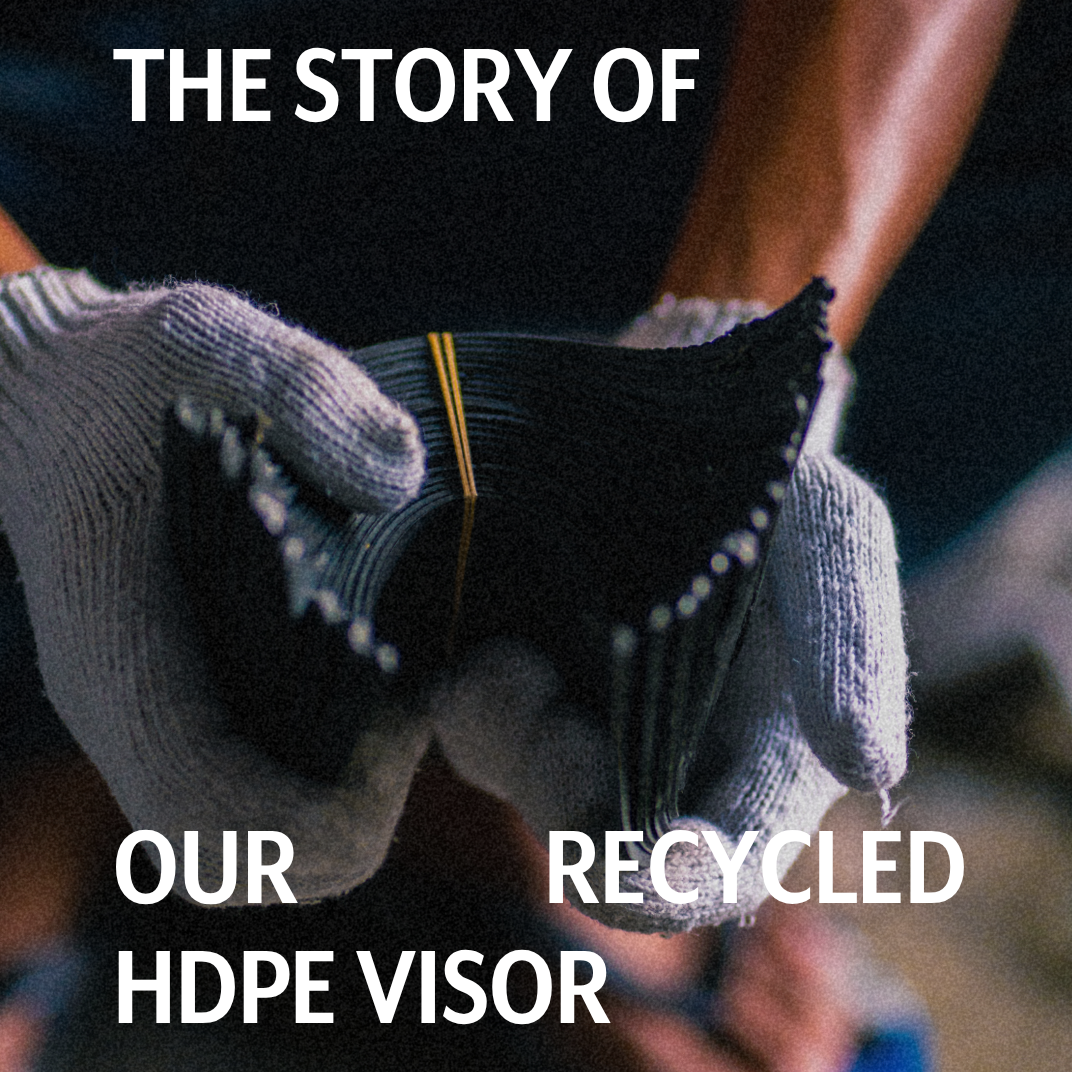
From a Discarded Bucket to a Premium Hat Brim: The Story of Our Recycled HDPE Visor
Most people never think about the brim of a hat. We thought about it a lot. Standard brims are made from virgin plastic, a small but unnecessary use of new resources. Ours start as discarded HDPE buckets collected by waste pickers in Bandung. This is the standard on every Topiku hat. Not an upgrade. The default.
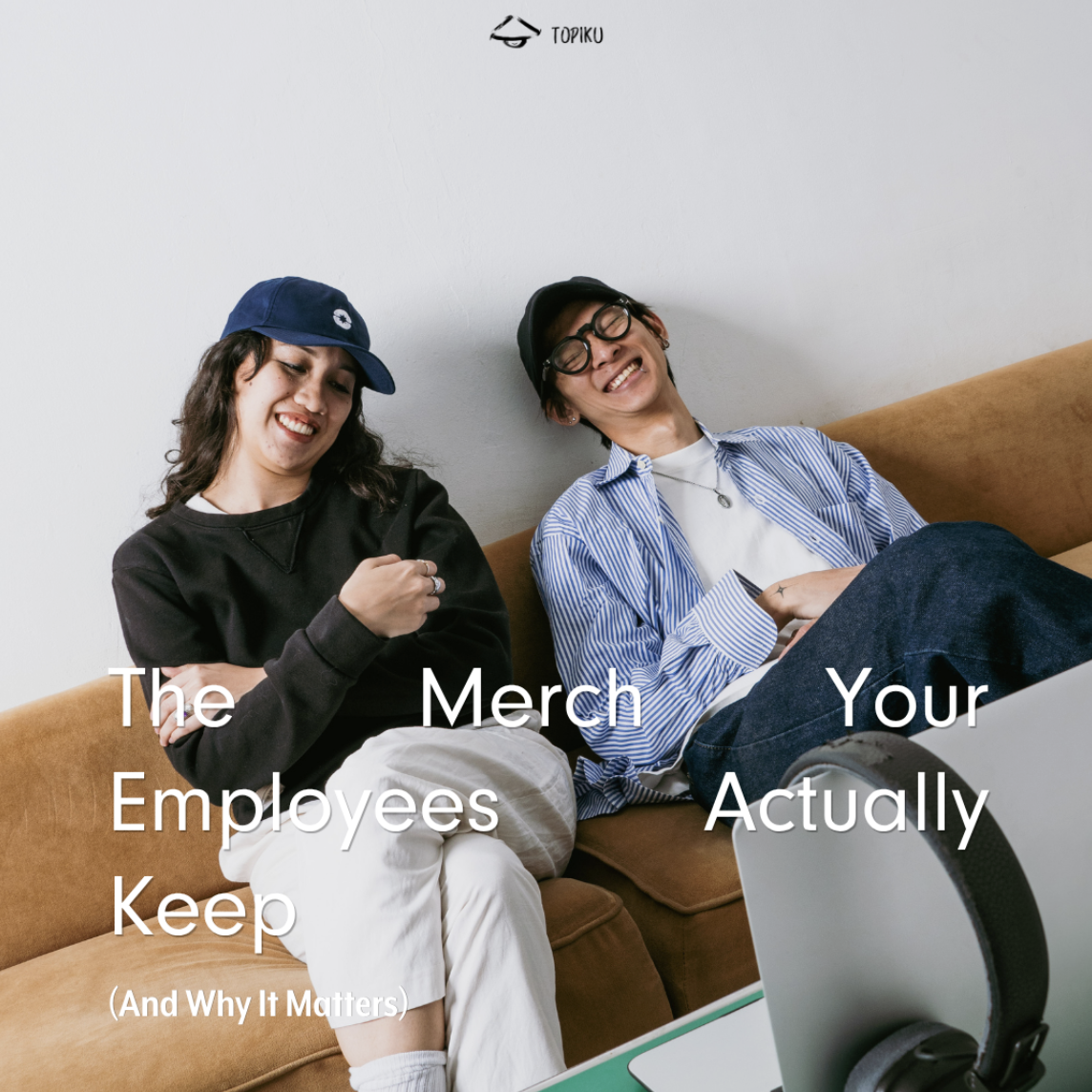
The Merch Your Employees Actually Keep (And Why It Matters)
There's a difference between merch that gets worn and merch that gets forgotten. It comes down to three things: quality, relevance, and story. The brands that get this right don't start with the logo, they start with the person receiving it.
What Topiku's 2025 Numbers Actually Mean for the Planet
This Earth Day, we're skipping the pledge and sharing the numbers instead. Carbon footprint, offsets, working hours tracked across every quarter of 2025. Because transparency is the only version of sustainability that holds up when someone looks closely. Here's what our year actually looked like.
Understanding the Carbon Footprint of Our Hats
Every hat has a carbon footprint. Ours is about 50% lower than standard baseball caps, thanks to recycled and upcycled materials. We’ve also offset 10× more carbon than we emit because reducing impact is only one step toward building more responsible products.
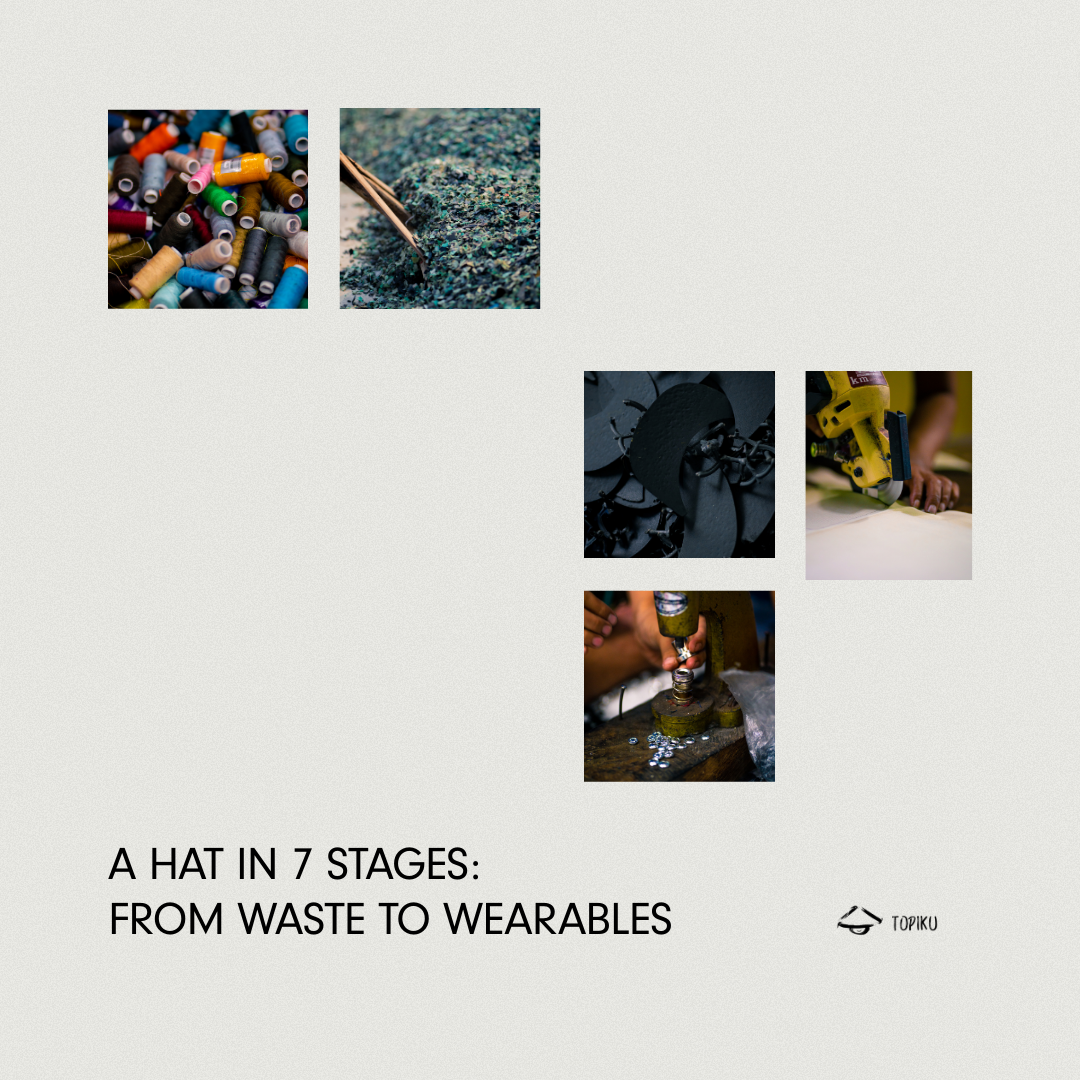
A Hat in 7 Stages: From Waste to Wearables
Behind every well-made hat is a process that involves careful design, multiple stages of production, and the work of many skilled hands. When materials are sourced responsibly and craftsmanship is prioritized, that process becomes even more intentional.
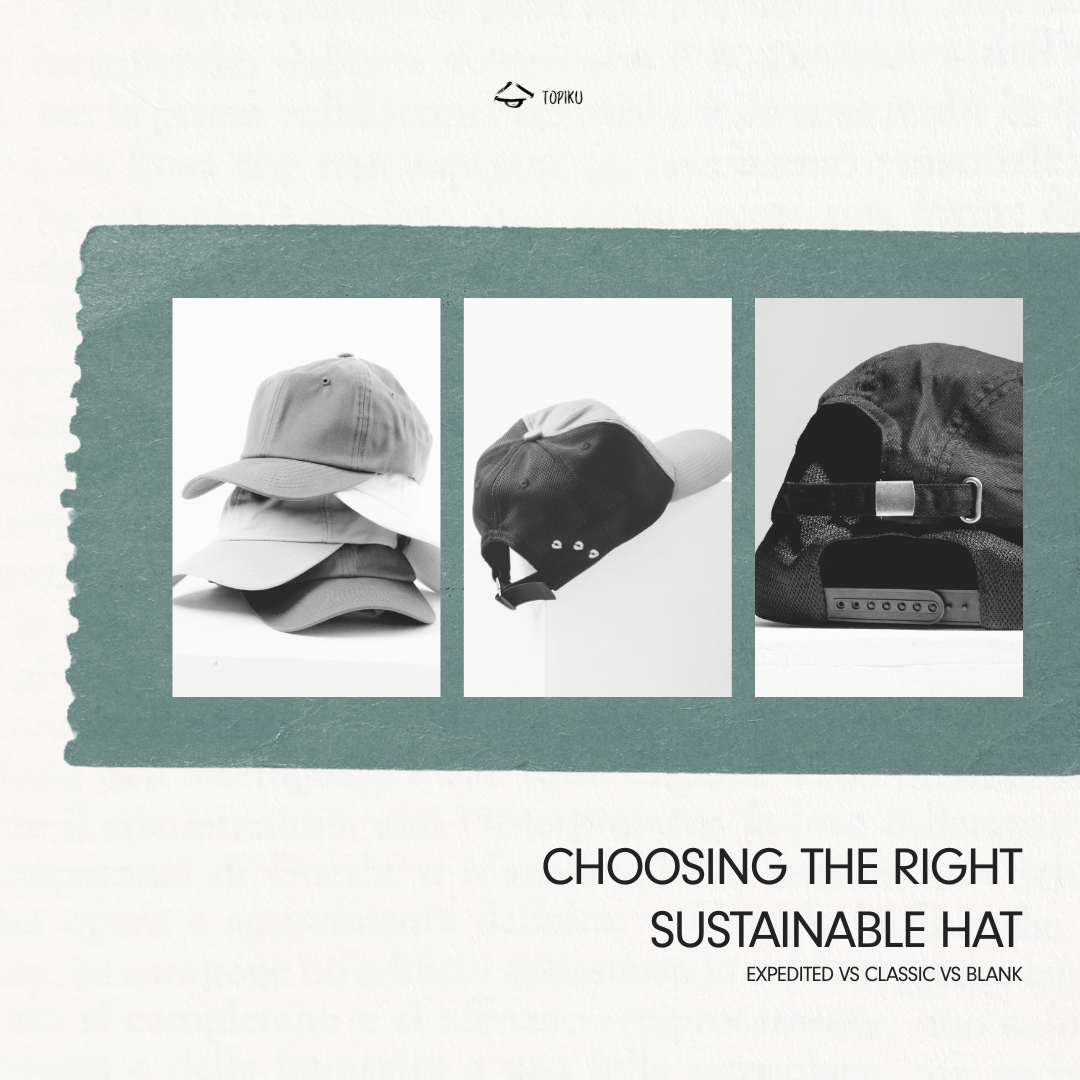
Choosing the Right Sustainable Hat: Expedited vs Classic vs Blank
At Topiku, we’ve developed three different programs, Expedited, Classic, and Blank to meet the needs of different organizations. Some teams are working toward a tight event deadline, others want full creative control over their merchandise, and some simply need high-quality caps without additional branding.

The Changemakers Program: Turning Revenue Into Real-World Impact
The Changemakers Program is built on a simple principle: impact should be structured, not occasional. We formally commit to donating at least 2% of our annual revenue to organizations creating measurable environmental and social change.