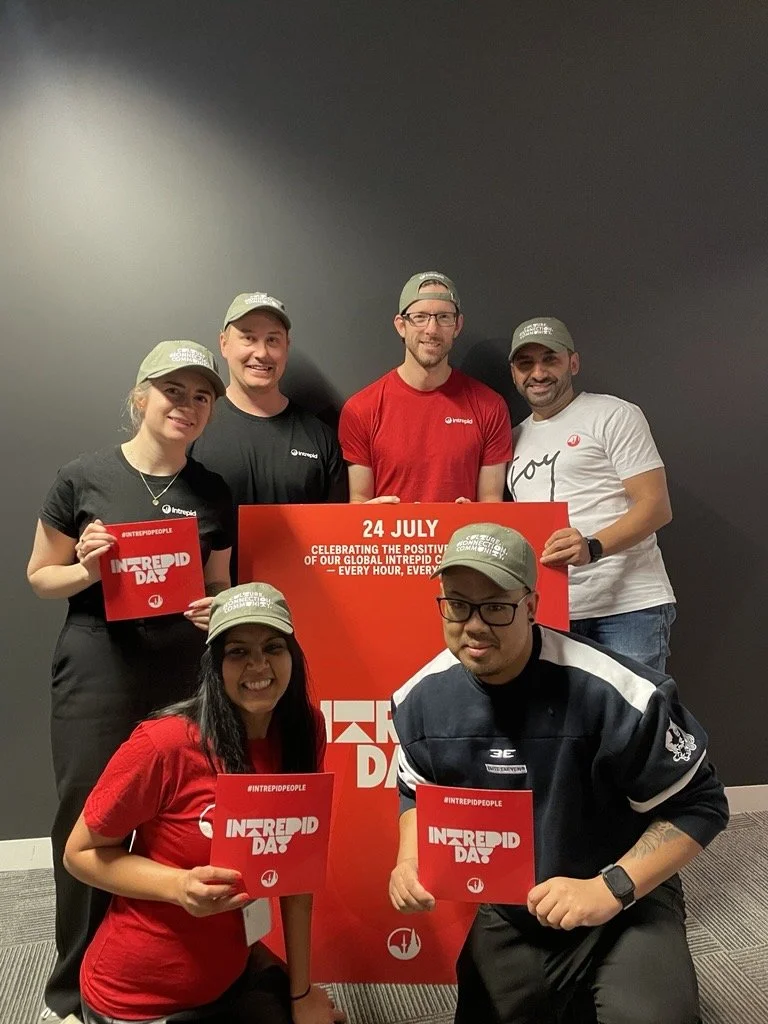
Think about the last piece of branded merchandise you received. Maybe it was a tote bag at a conference, a jacket on your first day, or a hat sent in a welcome kit. Now think honestly, where is it now?
For a lot of people, the answer is a drawer, a donation bin, or the bin outright. Not because the gesture was not appreciated. But because the item itself did not make the cut.
This is the quiet problem with corporate merchandise. Companies spend real money on it, put their name on it, and distribute it with good intentions. But if the product does not earn a place in someone's daily life, the impact stops the moment it leaves the box.
What Makes Something Worth Keeping
People are not sentimental about objects by default. They are sentimental about objects that earn it. And earning a place in someone's regular rotation comes down to a few consistent things.
The first is quality. Items that feel well-made get used. Items that feel like an afterthought get set aside. This is not about luxury, it is about whether the product holds up after the first few uses, whether it fits properly, whether it looks as good on day thirty as it did on day one.
The second is relevance. A product that fits naturally into someone's life does not need to announce itself. A hat that someone would have bought anyway, in a material they trust, becomes part of their wardrobe rather than a reminder of a company event.
The third is a story. This one is harder to manufacture, but it matters. When someone knows how a product was made, who made it, what it is made from, why those choices were made. It changes how they relate to it. Ownership becomes a small act of alignment rather than a passive receipt of stuff.
What Gets Thrown Away
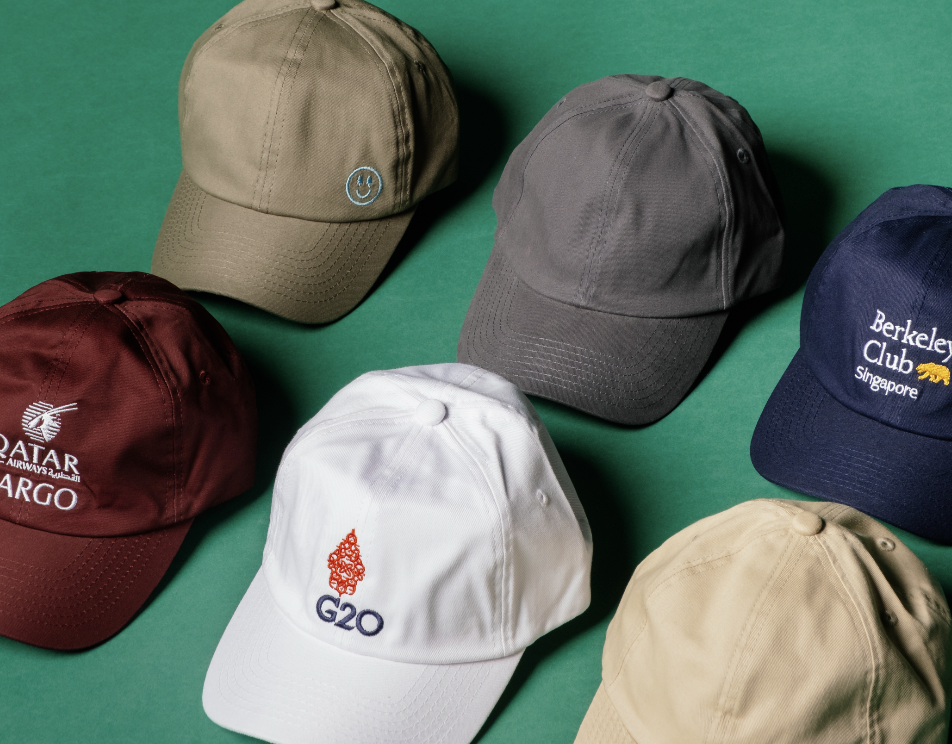
Cheap, generic merchandise tends to share the same fate regardless of the logo on it. Low-quality fabrics wear out quickly. Ill-fitting caps get abandoned after the first wear. Items ordered in bulk to hit a minimum quantity rarely feel considered and people can tell.
The environmental cost of that pattern is real. Branded merchandise that is never used still carries the full footprint of its production. The emissions from materials, manufacturing, and shipping do not disappear because the hat ended up in a landfill. They just produced nothing of value along the way.
Topiku Hats
A Different Way to Think About It
The question worth asking before placing a merch order is not just how many units do we need and what is the price per unit. It is whether someone will actually want this.
That shift in framing changes the brief. It leads to smaller, more intentional orders. It puts material quality and longevity above novelty. It asks whether the product represents the brand in a way the brand would want to be seen.
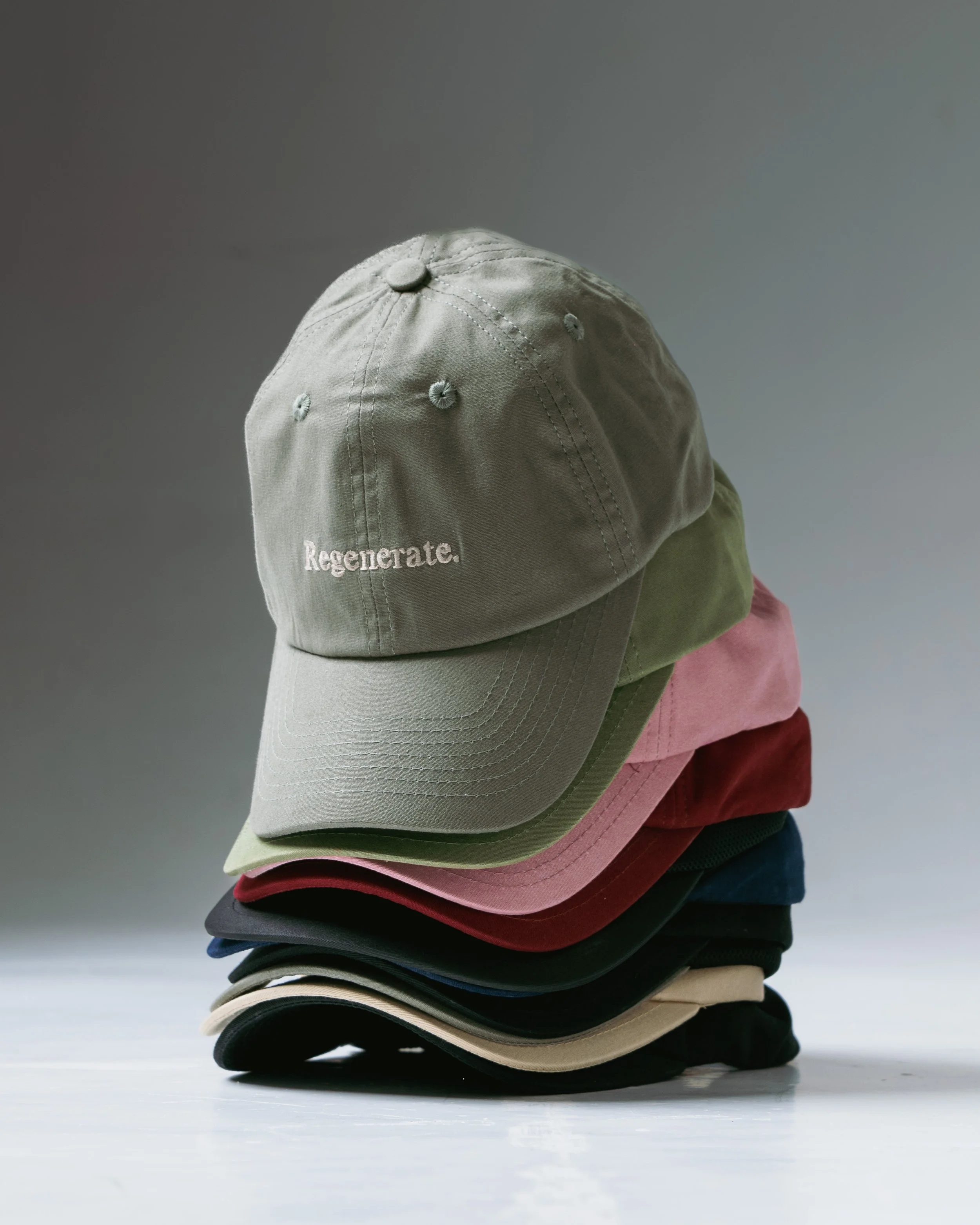
At Topiku, we make hats that people keep. Not because we ask them to. Because the materials are worth wearing, the craftsmanship is built to last, and the story behind the product is one worth telling.
The most sustainable piece of merchandise is not the one with the greenest label. It is the one that never gets thrown away.
Ready to make merch worth keeping? Start your custom order here.