Most people do not think about the brim of a hat. It is just there, functional, structural, easy to overlook. But at Topiku, the brim is one of the most deliberate parts of the entire product. And its story starts not in a factory, but on the streets of Bandung.
The Problem With Conventional Brims
Standard hat brims are typically made from virgin plastic, petroleum-based material produced specifically for the purpose, with a full carbon cost attached to its creation. It is functional. It is cheap. And it is a small but unnecessary use of new resources in a world already managing a significant plastic waste problem.
We wanted a different answer.
Where Our Brims Come From
In Bandung, Indonesia, local waste pickers collect discarded HDPE plastic buckets, the kind used in households, construction sites, and small businesses, then set out for collection or left to find their way to landfill.
These buckets are made from High-Density Polyethylene, a durable, food-safe plastic with a long useful life. When they are no longer needed as buckets, that material does not disappear. It just needs a new purpose.
That is where our process begins.
How a Bucket Becomes a Brim
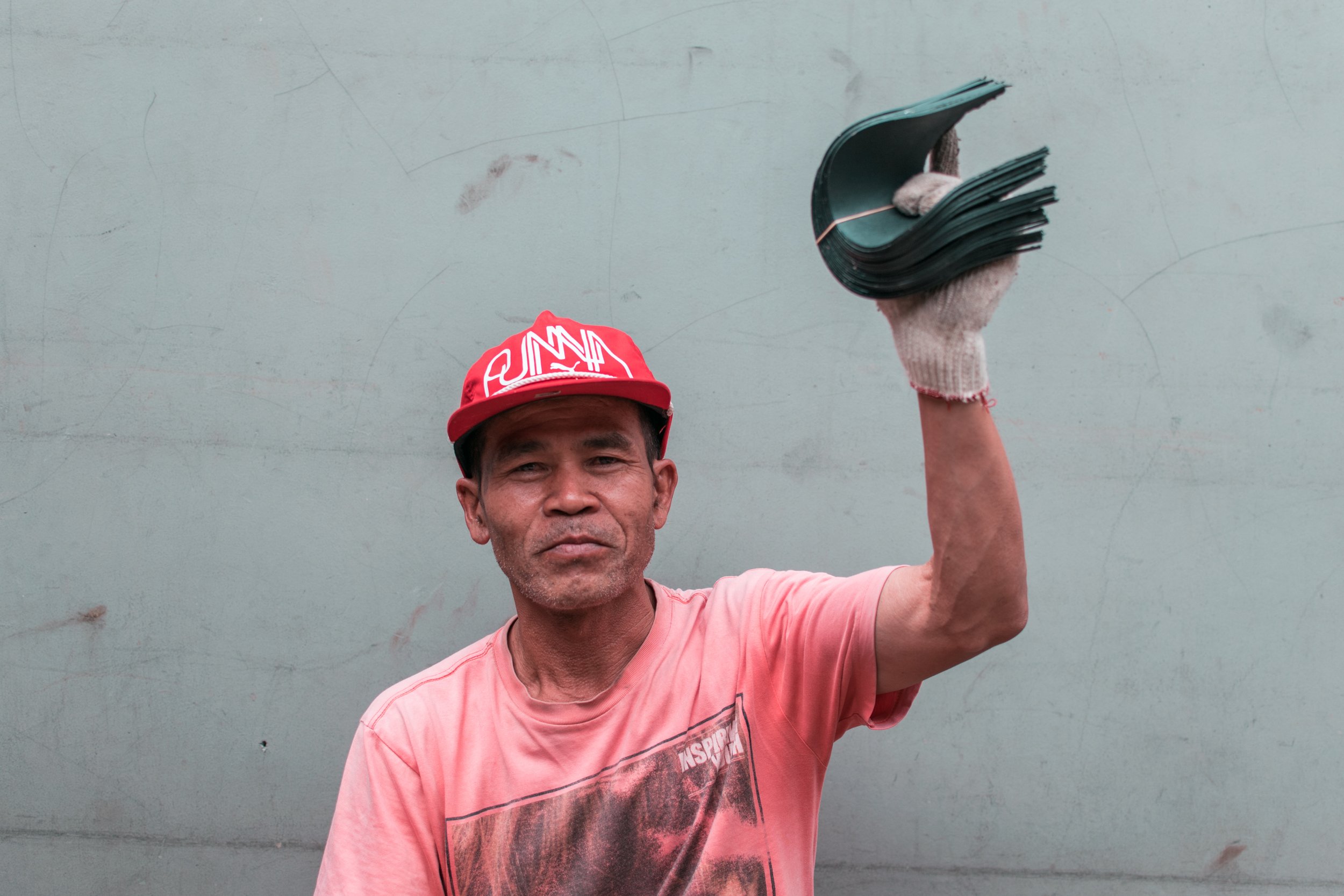
The collected buckets are brought to a local facility where they are shredded into small flakes. Those flakes are then hand washed to remove impurities and laid out to sun-dry, a step that requires no additional energy, just time and daylight.
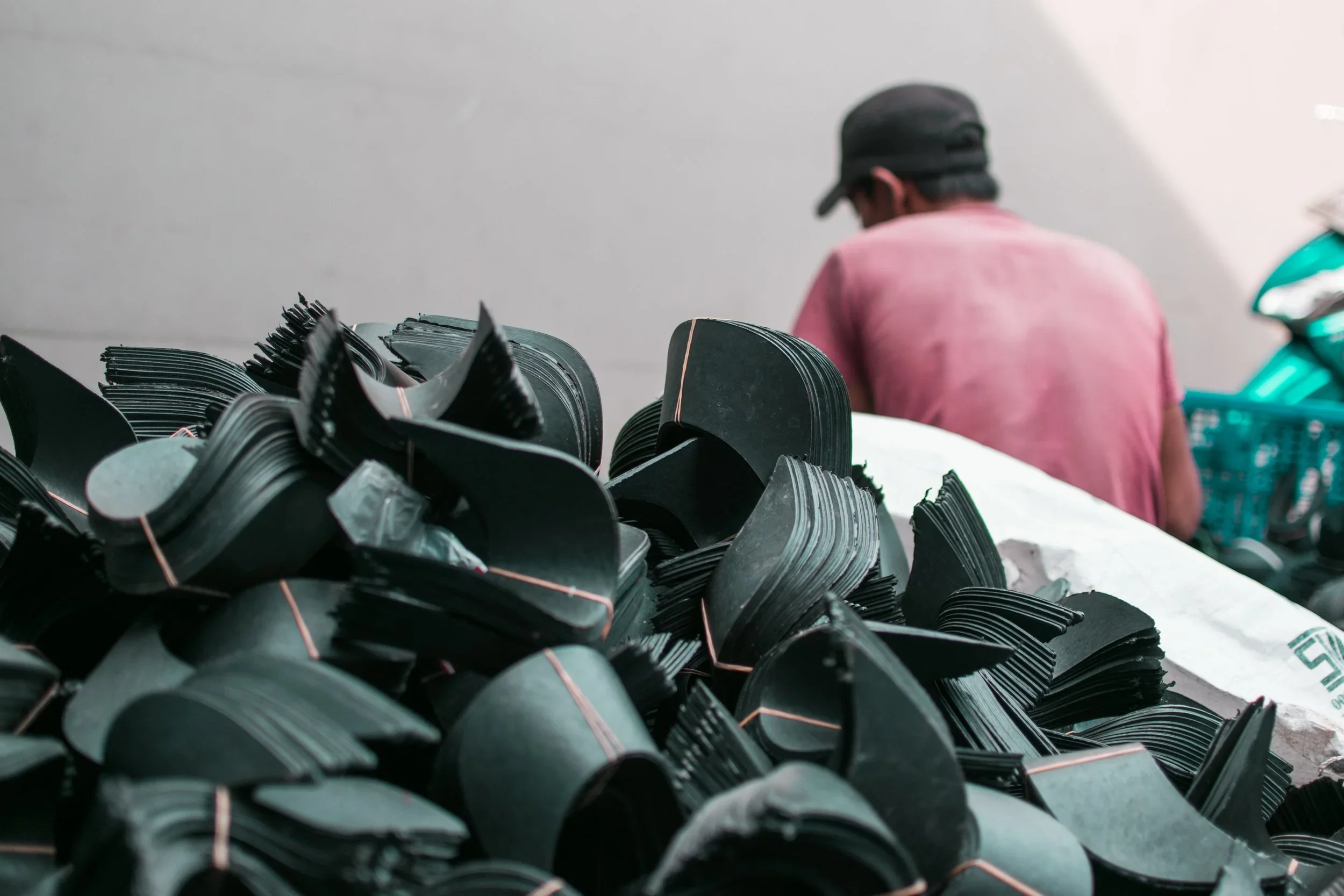
Once dry, the cleaned plastic flakes are fed into an injection molding process, where they are melted and pressed into the shape of a hat brim. Any pieces that do not meet quality standards are shredded again and re-entered into the process. Nothing is discarded.
The result is a brim that is structurally identical to one made from virgin plastic, same durability, same finish, same function but made entirely from material that would otherwise have contributed to landfill.
Why This Matters
The HDPE brim is a small component. It represents one part of a hat that has several. But it illustrates something we believe is true across the entire product: that the decision to use what already exists, rather than produce something new, is almost always available if you are willing to look for it.
It also supports a local economy that is often invisible. The waste pickers who collect those buckets, the community workshops that process them, the artisans who incorporate the finished brim into a handcrafted hat, each step involves real people doing skilled work in Bandung and the surrounding area.
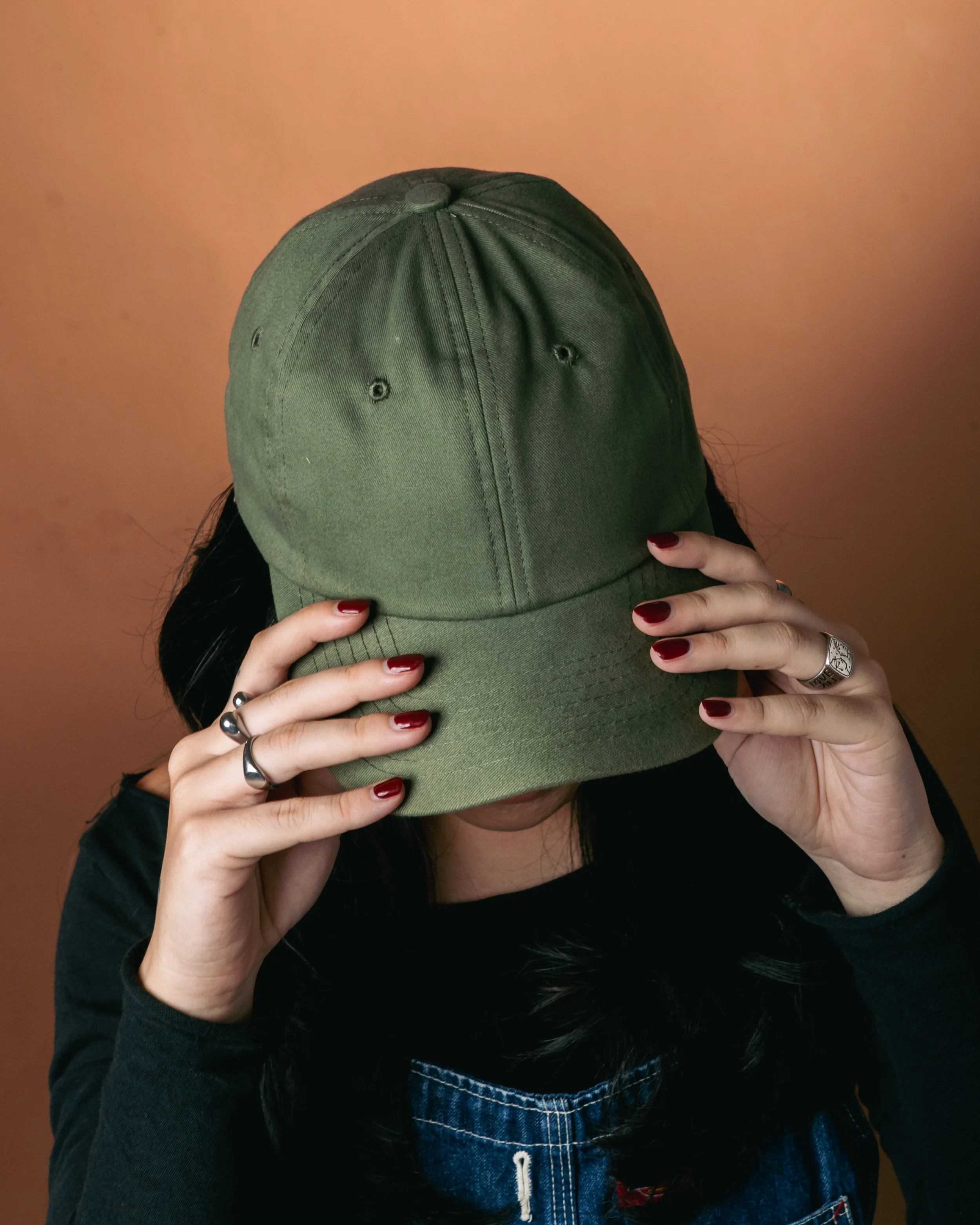
Topiku Hats
A Different Way to Think About It
The question worth asking before placing a merch order is not just how many units do we need and what is the price per unit. It is whether someone will actually want this.
That shift in framing changes the brief. It leads to smaller, more intentional orders. It puts material quality and longevity above novelty. It asks whether the product represents the brand in a way the brand would want to be seen.
At Topiku, we make hats that people keep. Not because we ask them to. Because the materials are worth wearing, the craftsmanship is built to last, and the story behind the product is one worth telling.
The most sustainable piece of merchandise is not the one with the greenest label. It is the one that never gets thrown away.
Ready to make merch worth keeping? Start your custom order here.