
Understanding the Carbon Footprint of Our Hats
When people think about climate impact, they often imagine large industries such as power plants, airplanes, or massive factories. And a hat rarely comes to mind.
But like every product, hats require materials, energy, and transportation to be made. Each of these steps creates a small amount of carbon emissions, which contribute to climate change.
That’s why we decided to take a closer look at the footprint of our own production process. What we found surprised even us.
What Is a Carbon Footprint?
A carbon footprint measures the amount of greenhouse gases released during the production of a product or activity. These gases are usually measured in CO₂e (carbon dioxide equivalent), which is a standard unit used to compare different greenhouse gases.
In simple terms, it helps answer a question:
How much impact does making this product have on the climate?
Everything. From growing cotton to manufacturing plastic to shipping products, all adds to that footprint.
Understanding these emissions is the first step toward reducing them.
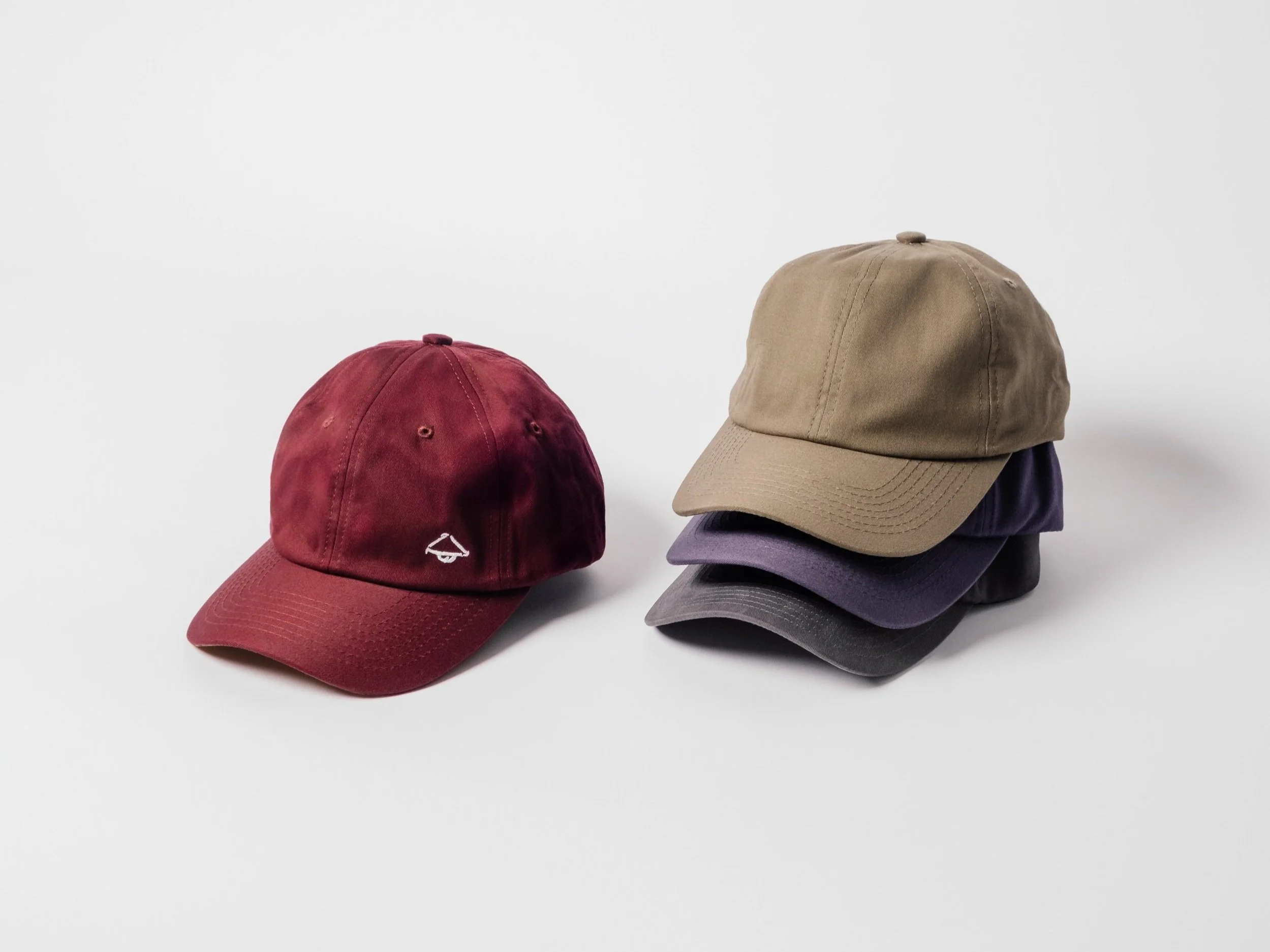
Our final product that generates 50% fewer carbon emissions than a typical baseball cap.
Producing Hats With Lower Emissions
When we measured our production, we found that our hats generate about 50% fewer carbon emissions than a typical baseball cap.
That reduction comes from several decisions made throughout our production process.
For example, many of our materials come from recycled or upcycled sources, including plastic buckets, aluminum cans, and leftover textiles. By using materials that already exist, we reduce the need for producing new raw resources, which often requires more energy and generates higher emissions.
We also work closely with local supply chains whenever possible, helping reduce transportation distances while supporting local industries.
These choices don’t eliminate emissions entirely, but they significantly lower the footprint of each hat.
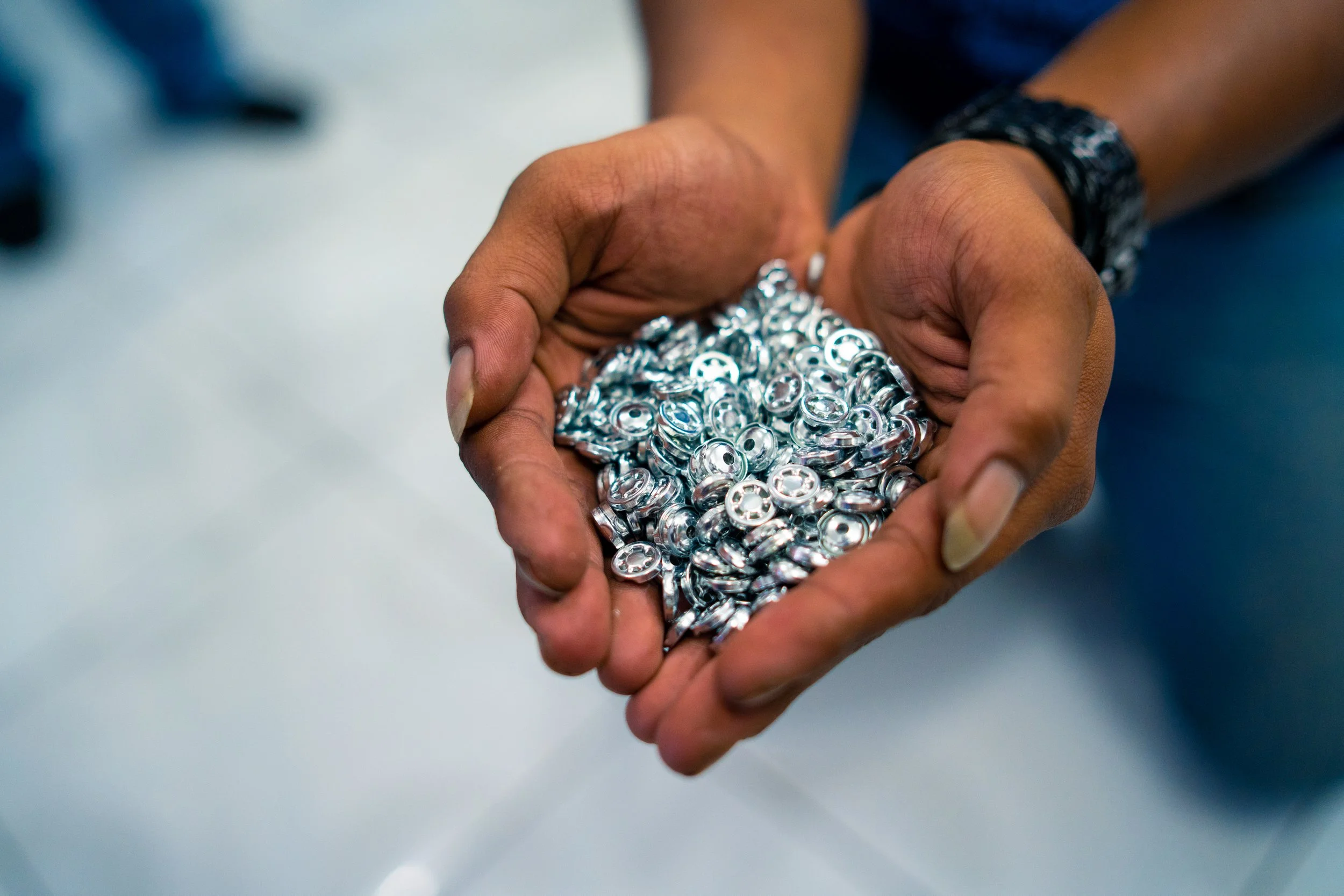
Topiku recycled materials
Going Beyond Reduction: Carbon Offsetting
Even when production becomes more efficient, some emissions are unavoidable.
To address this, we support carbon offset projects that help balance out the emissions created during production.
So far, these projects have helped offset 10,094 kilograms of carbon dioxide equivalent (CO₂e).
That number may sound abstract, but it becomes easier to understand with a comparison.
Ten thousand kilograms of CO₂e is roughly similar to the emissions produced by driving a typical gasoline car tens of thousands of kilometers.
By supporting offset projects that prevent or remove emissions elsewhere, we help balance out the impact of our own production.
What Does “10× More Offset Than Emitted” Mean?
Another important number in our impact report is that we’ve offset 10 times more carbon than our production emits.
In other words, for every unit of carbon created during our production process, we support projects that offset ten times that amount.
This means the overall impact of our production is net positive, helping remove or prevent more emissions than we generate. While offsets are not a perfect solution, they allow companies to take responsibility for emissions that cannot yet be eliminated.
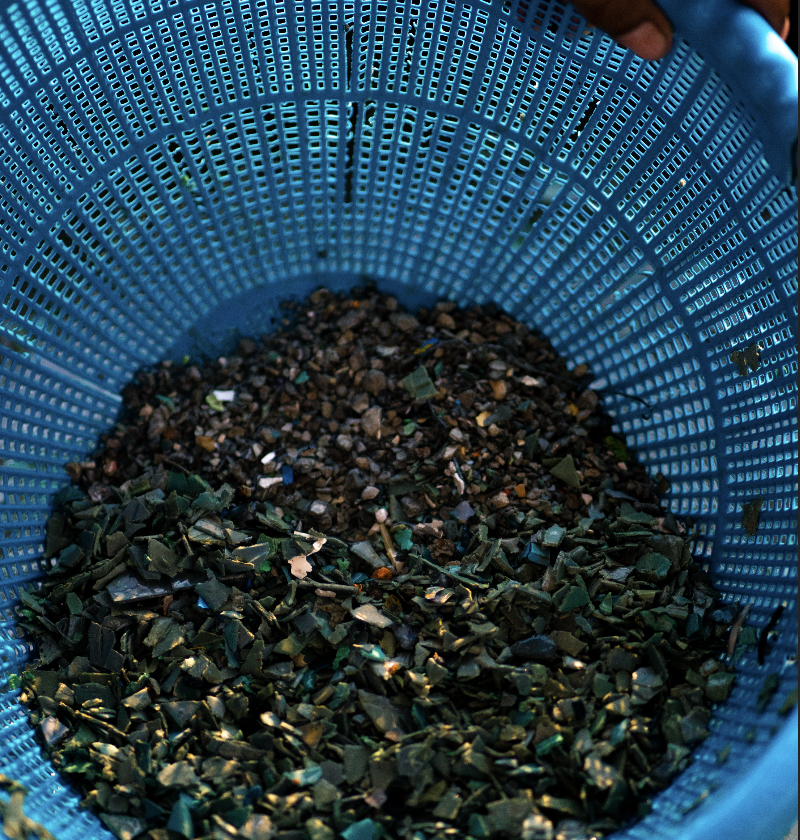
Topiku recycled process
Why Small Changes Matter
A single hat may seem like a small product. But when thousands of products are made and used around the world, their combined impact can grow quickly.
That’s why small decisions like choosing recycled materials, improving production efficiency, or supporting climate projects can add up to meaningful change over time.
For us, measuring our carbon footprint is not just about reporting numbers. It’s about understanding our impact and continuing to find ways to reduce it.
Because every product we make is an opportunity to do things a little better.