What Ethical Production Actually Looks Like Day to Day
"Ethical production" is a phrase that shows up on almost every brand's About page now. It is also one of the least specific phrases in the entire sustainability vocabulary which means it is worth asking what it actually requires, day to day, rather than accepting it as a given.
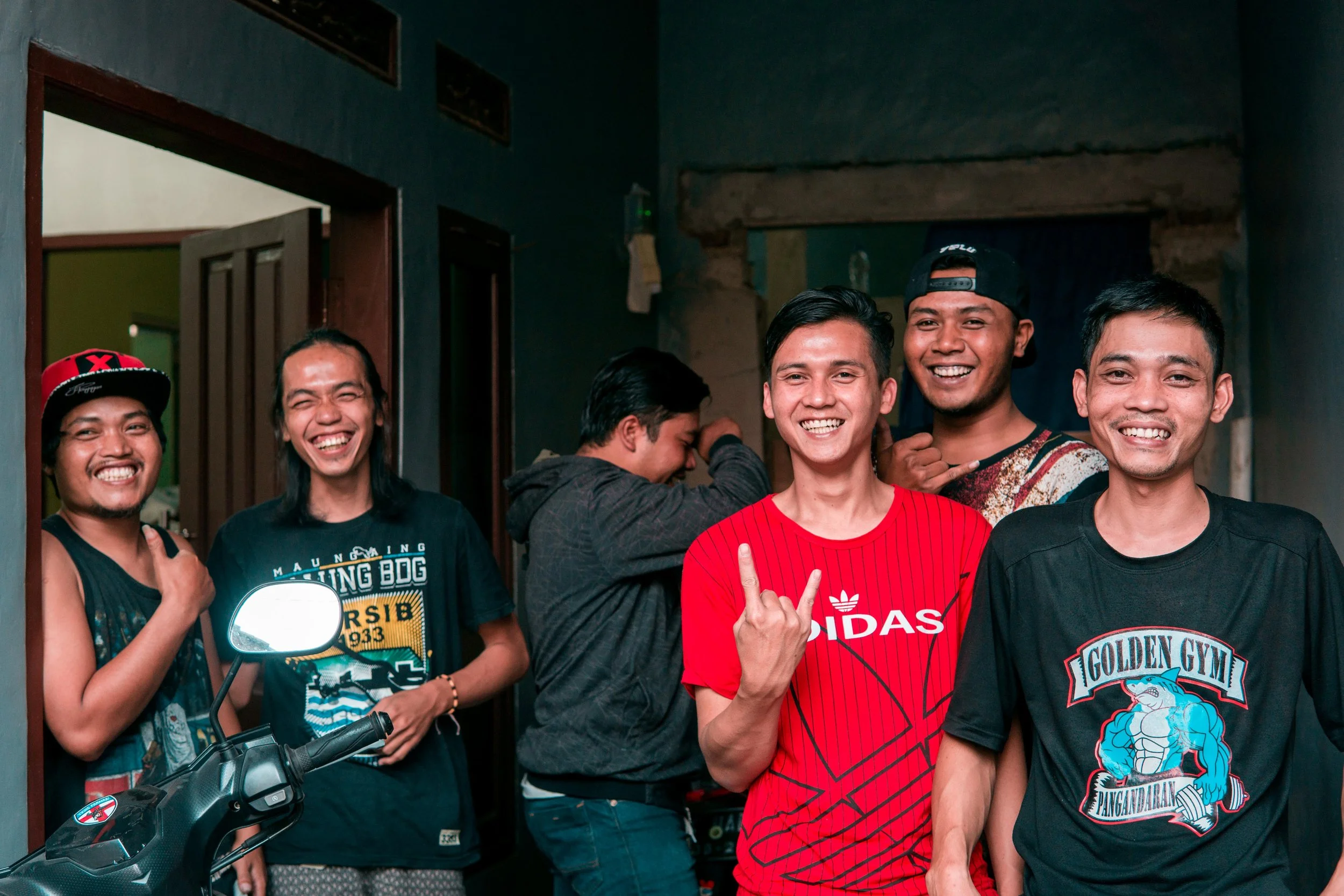
For us, the answer comes from a single, specific place: our long-term partnership with artisans in Cigondewah, and the decisions we make there that don't always make it into a blog post or a certification badge.
Our Artisans in Cigondewah
Fair pay, calculated honestly
Ethical production starts with a basic question: are the people making the product paid fairly for their time and skill? At Topiku, our artisan partners in Cigondewah are paid based on the actual time and craftsmanship a hat requires, not a per-unit rate calculated to minimize cost regardless of how long the work actually takes.
This matters because per-unit pricing, when set too aggressively, creates pressure to rush. A fair wage structure removes that pressure. It means an artisan working on a more complex design isn't financially penalized for taking the time the work actually requires.
Our Artisans in Cigondewah
Working conditions that aren't an afterthought
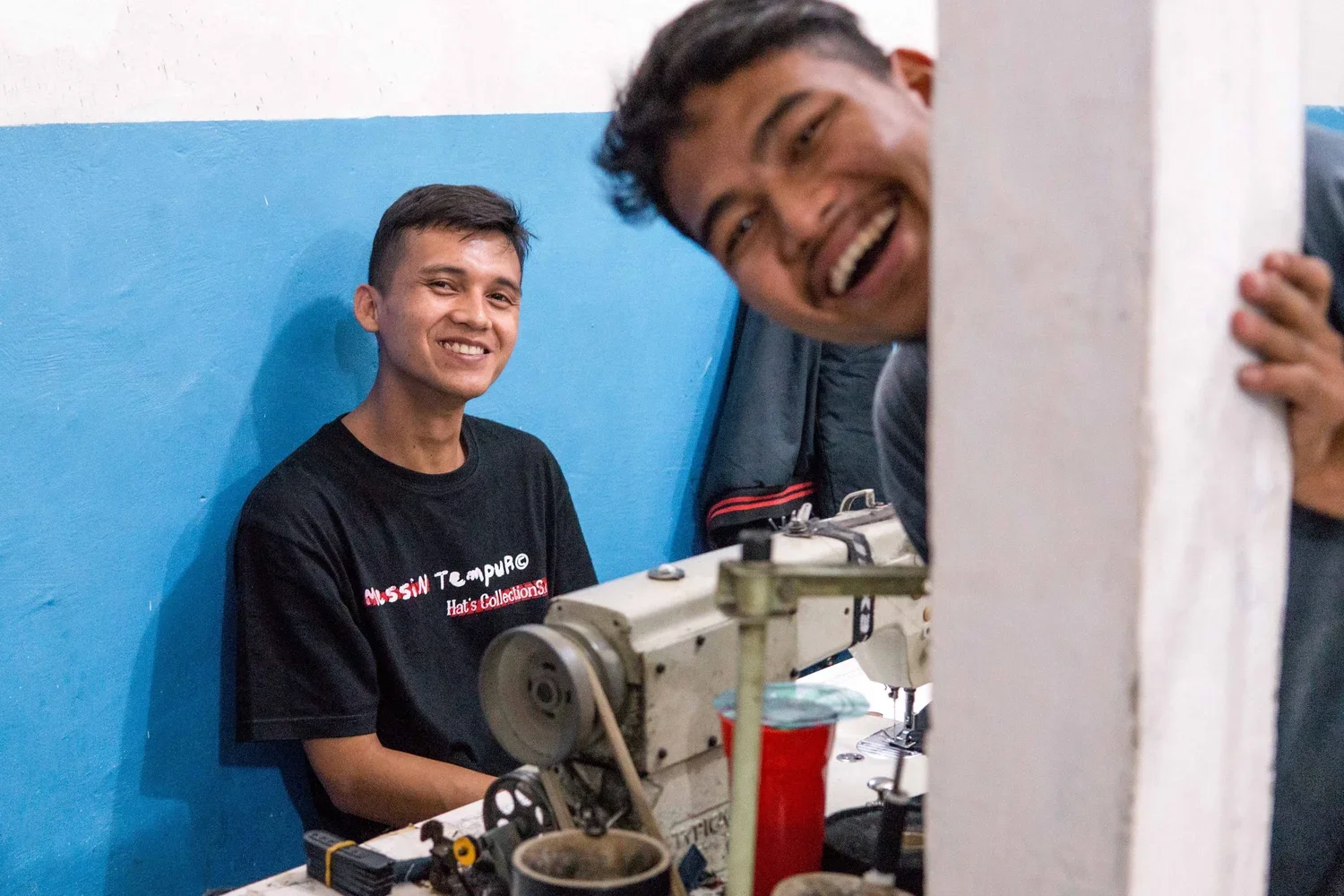
Workshop conditions in Cigondewah are something we pay attention to directly, not through a third-party audit conducted once a year and then filed away. Because we have worked with the same artisan partners for over a decade, we have visibility into the day-to-day reality of the workshop that a one-time inspection simply cannot provide.
This includes basic things that are easy to take for granted: reasonable working hours, safe equipment, and a workplace where raising a problem doesn't put someone's position at risk.
How we handle quality issues
Every production process runs into problems. Stitching that doesn't sit right. A batch of material with inconsistent texture. A finishing detail that needs to be redone. The question is not whether issues happen, it's how they get resolved.
Our approach is to treat a quality issue as a conversation, not a deadline ultimatum. We do not respond to a defect by demanding faster turnaround to make up for the lost time. We work with our partners to understand what happened, fix it properly, and adjust future timelines if needed. Pushing artisans to work faster after a mistake tends to produce more mistakes, not fewer so we don't do it.
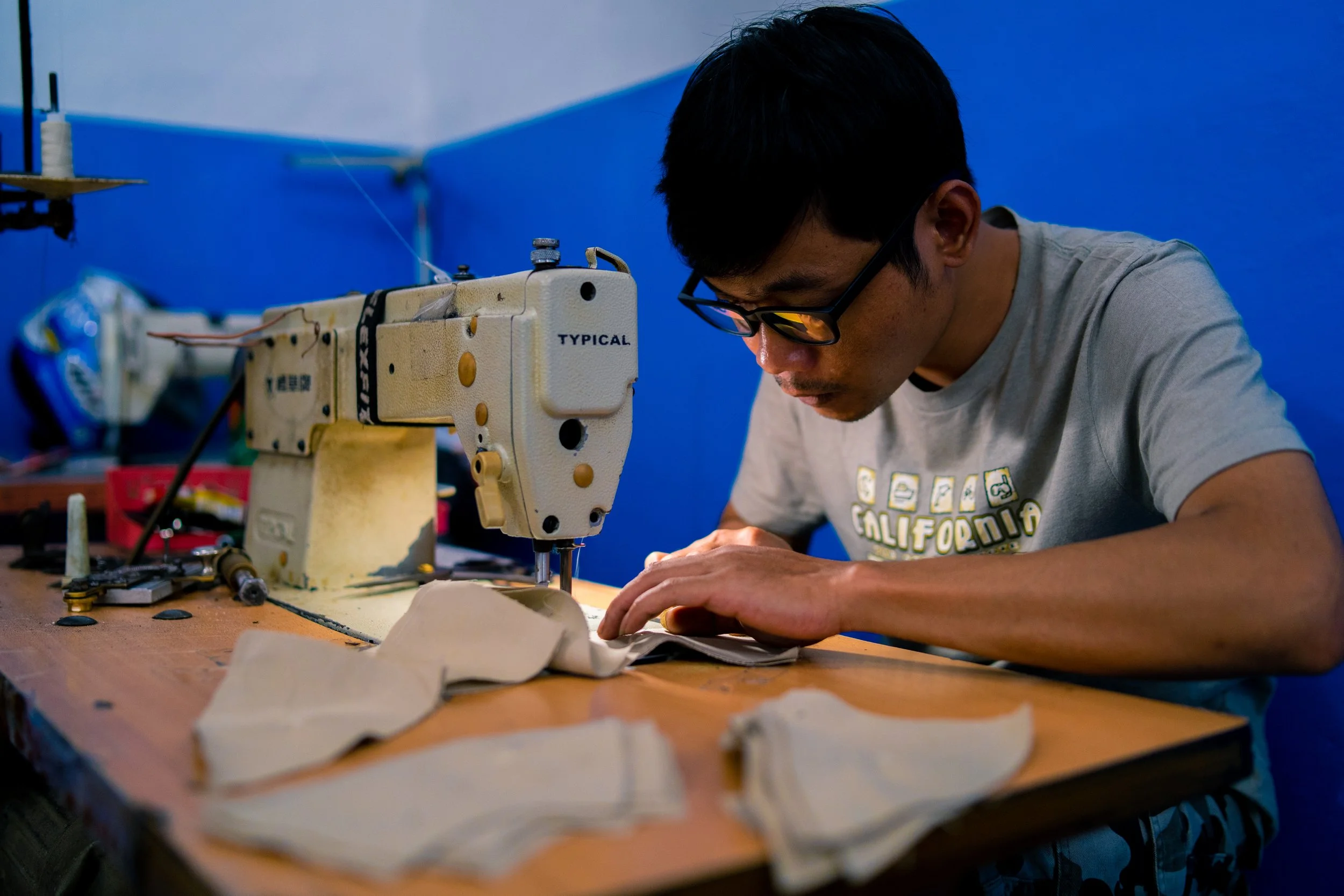
Our Artisan in Cigondewah
Why long-term relationships make this possible
None of this works without time. A one-season supplier relationship does not generate the trust required for an artisan to tell you honestly that a deadline is unrealistic, or that a material isn't performing the way it should. Our relationship with Cigondewah goes back more than a decade, and that history is what allows for the kind of honest, two-way conversation that ethical production actually depends on.
It also means our artisan partners are not just executing our specifications, they bring their own expertise into how a hat is constructed, often improving on our original designs based on what they know about the materials and the craft.
What this looks like from the outside
We will not pretend this is a perfectly solved problem. Ethical production is a continuous practice, not a certification you earn once and then maintain passively. What we can say honestly is that the decisions above, fair pay structures, sustained attention to working conditions, and a quality-issue process that doesn't punish people for problems are not abstractions for us. They are how Cigondewah actually operates, every day, whether or not anyone is writing a blog post about it.
That is the difference between a phrase on a website and a practice in a workshop.