58 Tons and Counting: Why Topiku Backs SeaTrees' Ocean Restoration Work
Numbers in sustainability reporting can start to feel abstract after a while. Tons of CO₂. Percentage reductions. Offset credits. They are real, but they rarely feel real until you can connect them to something specific and visible.
That is part of why we chose to work with SeaTrees.
Topiku purchased 58 tons of Verra-certified carbon credits through SeaTrees' Climate Label bundle program. Each ton is sourced from the Southern Cardamom REDD+ Project in Cambodia, a verified forest protection initiative that prevents deforestation and the carbon release that comes with it. This is not a vague "offset" claim. Every credit is retired on our behalf through the Verra Registry, with a certificate to prove it.
But the carbon credit is only half of what each purchase does.
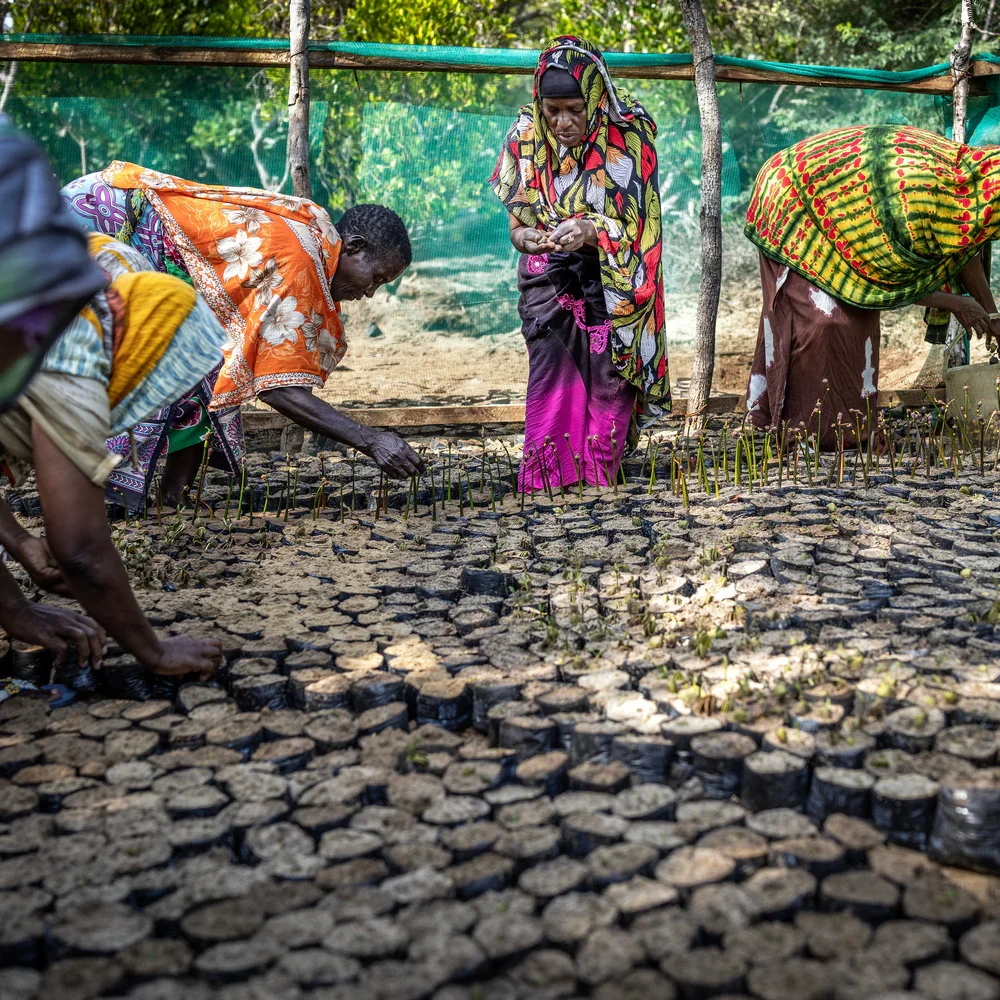
Credit: SeaTrees
Each SeaTrees Climate Label bundle pairs one ton of carbon credit with one mangrove tree, planted in Marereni, Kenya. That means our 58 tons of carbon credits also means 58 mangrove trees now growing on the Kenyan coast, each one tracked individually over a 10-year impact period using SeaTrees' science-based biodiversity methodology.
Mangroves do work that goes well beyond carbon capture. They absorb CO₂ continuously as they grow, often at a faster rate than other ecosystems. They provide habitat for fish, crabs, and a wide range of coastal wildlife. They protect shorelines from erosion. And the forest scouts who protect these mangrove stands from illegal logging are part of the local community, meaning the project supports livelihoods as directly as it supports the environment.
This is the part of the equation that makes SeaTrees different from a generic carbon offset purchase. We are not just buying a number. We are funding a specific, trackable restoration project with a measurable footprint of its own.
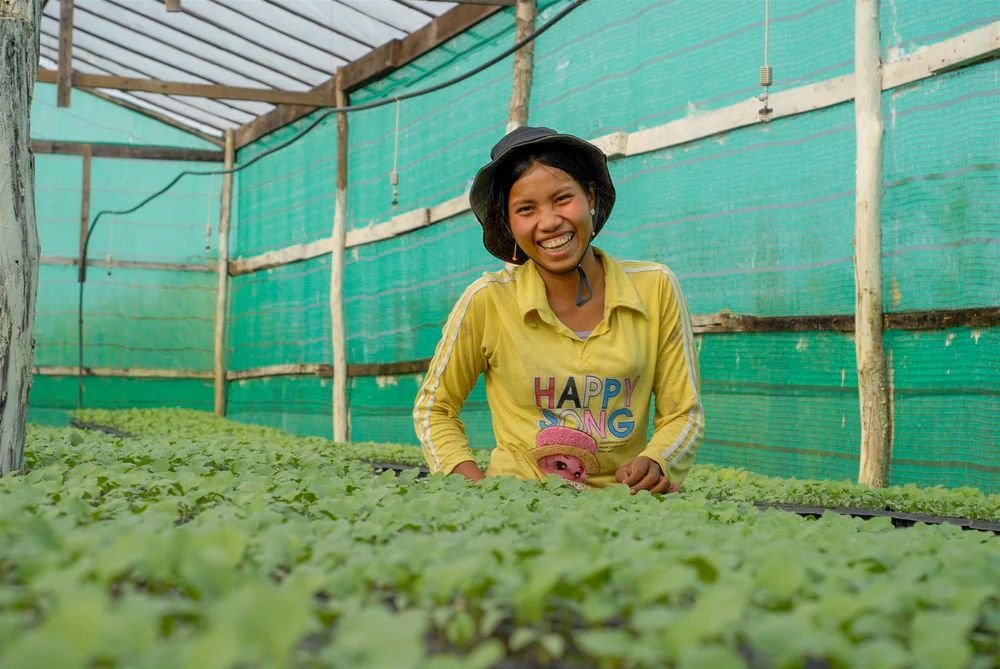
Credit: SeaTrees
At Topiku, our priority has always been reduction before offsetting designing hats with a lower footprint from the start rather than buying our way to net zero after the fact. But reduction alone does not get a company to be carbon negative. That requires actively removing more carbon than you emit, and that is where partnerships like SeaTrees come in.
We chose SeaTrees specifically because of the verification standard behind their work. Verra certification means the carbon credits meet a recognized, audited methodology not a self-reported estimate. And the mangrove component means our contribution is doing two things at once: funding verified carbon removal today, and funding an ecosystem that will continue absorbing carbon for years after the initial planting.

Credit: SeaTrees
We will continue to report on our carbon credit purchases as part of our ongoing impact disclosures, the same way we report on materials, production, and logistics. Transparency only works if it includes the parts of the business that are harder to see and offsetting is exactly that kind of work.
58 tons removed. 58 mangroves planted. Tracked, verified, and growing. That is what backing real environmental work looks like in practice not a claim on a page, but a project you could, in theory, visit and see for yourself.