Sustainable Merch Designed to Be Worn: Why Durable Is an Impact Strategy
In 2022 we published a life cycle assessment for a Topiku baseball cap – the first ever of its kind in the world. The report covered raw materials, manufacturing, logistics, use, and end of life. One conclusion it reinforced was not new, but it is consistently underweighted in how brands talk about sustainable merchandise: the production footprint of a hat is mostly fixed before it is worn. What happens after determines whether it was justified.
A hat worn consistently for three years amortises its production footprint across a large number of uses. A hat worn once at a corporate event and then put in a drawer does not. The gap between those two outcomes is not just about the material, it is about how long the product survives and how often it gets used.
Our mission is to design for the three-year version. Here is what that requires.
Materials that hold up
Our hats are made from upcycled cotton twill, sourced from curtain-maker leftovers and deadstock. It is a stronger weave than the lightweight fabric in most mass-market caps. Other components – such as our recycled metal buttons – are locally sourced in Bandung. Conscious material selection is chosen because of longevity and performance, not only because they come from “waste” streams.
That distinction matters. A hat made from recovered materials that falls apart after six months has not achieved much. The environmental case for using recycled and upcycled inputs only holds if the product survives long enough to offset the footprint of producing it. While we have used recycled HDPE plastic since 2015, balancing recycling with durability is a challenge that requires constant trial and error.
Construction that survives use
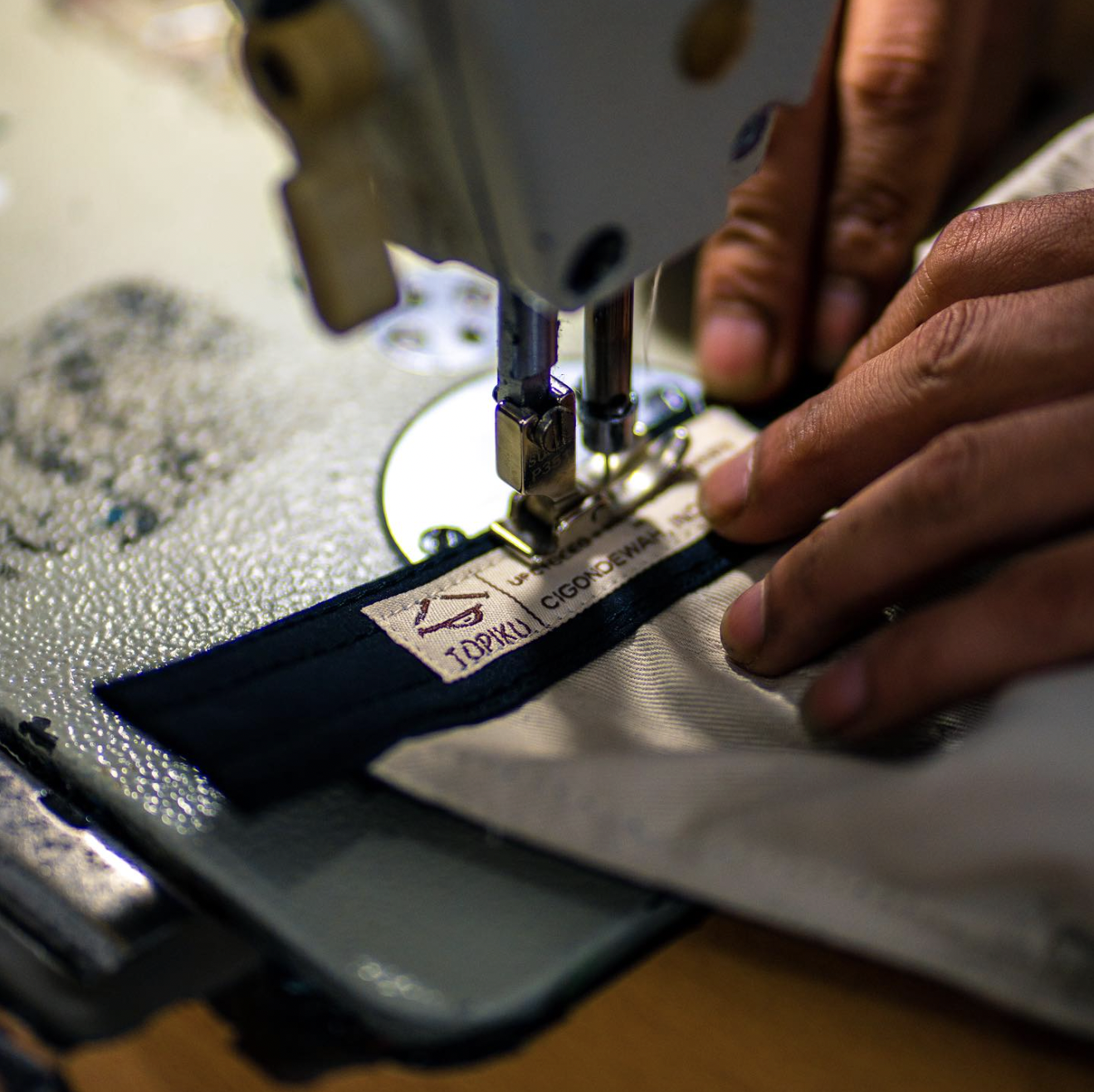
The artisan team at Esduabelas, our supplier’s workshop in Desa Rahayu, have worked to the same quality standard since we started working with them in 2015. Stitching density, panel alignment, and brim finish are reviewed before a hat leaves the workshop.
Most of those checks are invisible on day one. The difference between a brim that stays flat and one that curls is in how the visor is set. Neither shows at the point of purchase. With consistent wear, inconsistencies are revealed.
Design that extends use
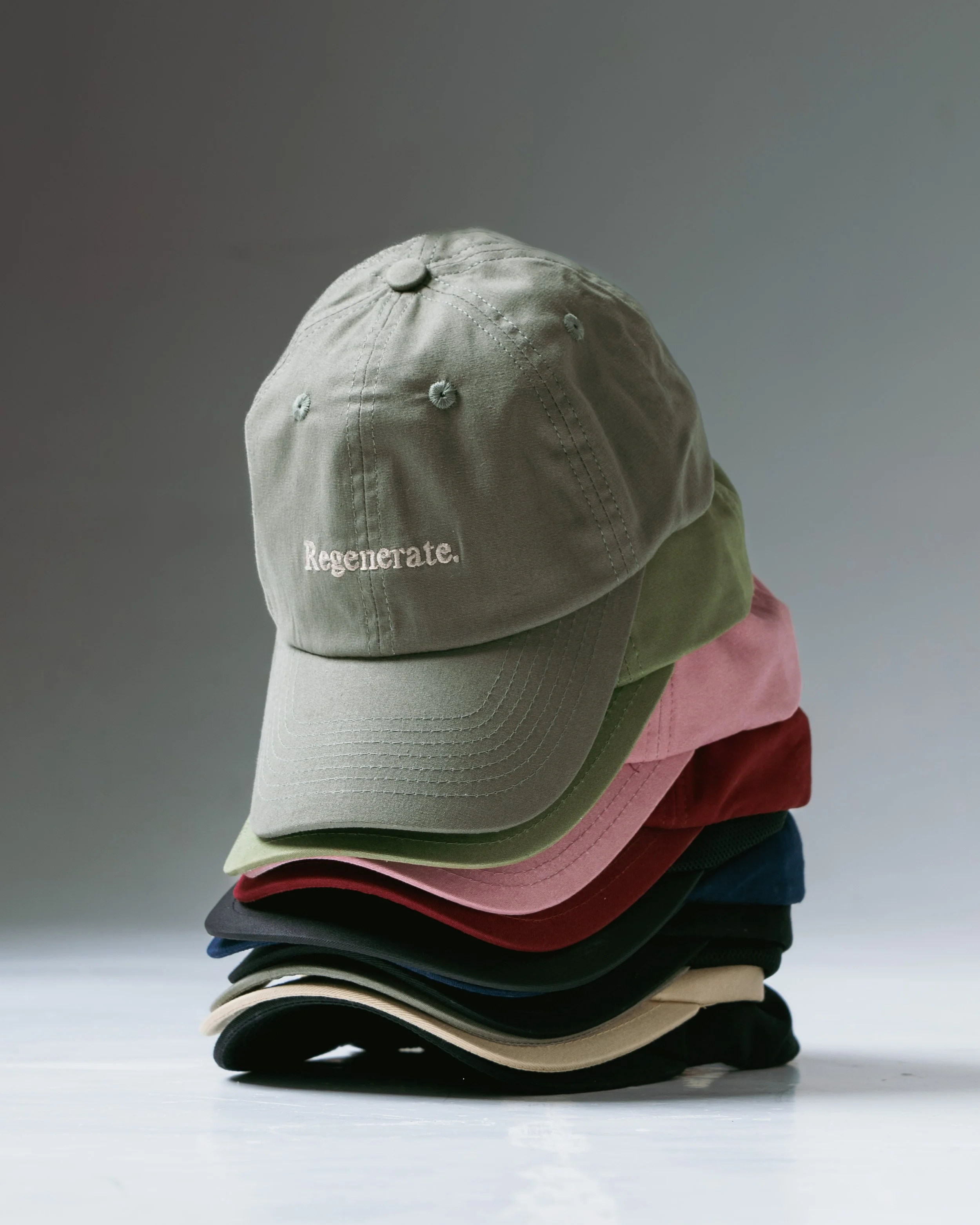
A hat designed around a single campaign has a built-in expiry date. It reads as event swag, gets treated as event swag, and eventually ends up discarded. Its full production footprint lands on a single use.
A hat that is well-made and not over-branded for a single moment gets worn past the event it was made for. That extended use is itself an environmental outcome. Wearable design extends a product’s life as directly as durable construction does. This is also why every order also receives design feedback from our sales team, ensuring the final product can be used for every occasion.
Works Cited
1 Topiku. Life Cycle Assessment, 2022. [Link to the latest LCA report, to add before publishing.]
2 Interview with Rian, leader of the Esduabelas workshop, Desa Rahayu, July 2026.